Easy, Year-Round Leafy Greens for Permaculture Gardens
How to Plant, Propagate, and Harvest Tree Collards in Zone 10b
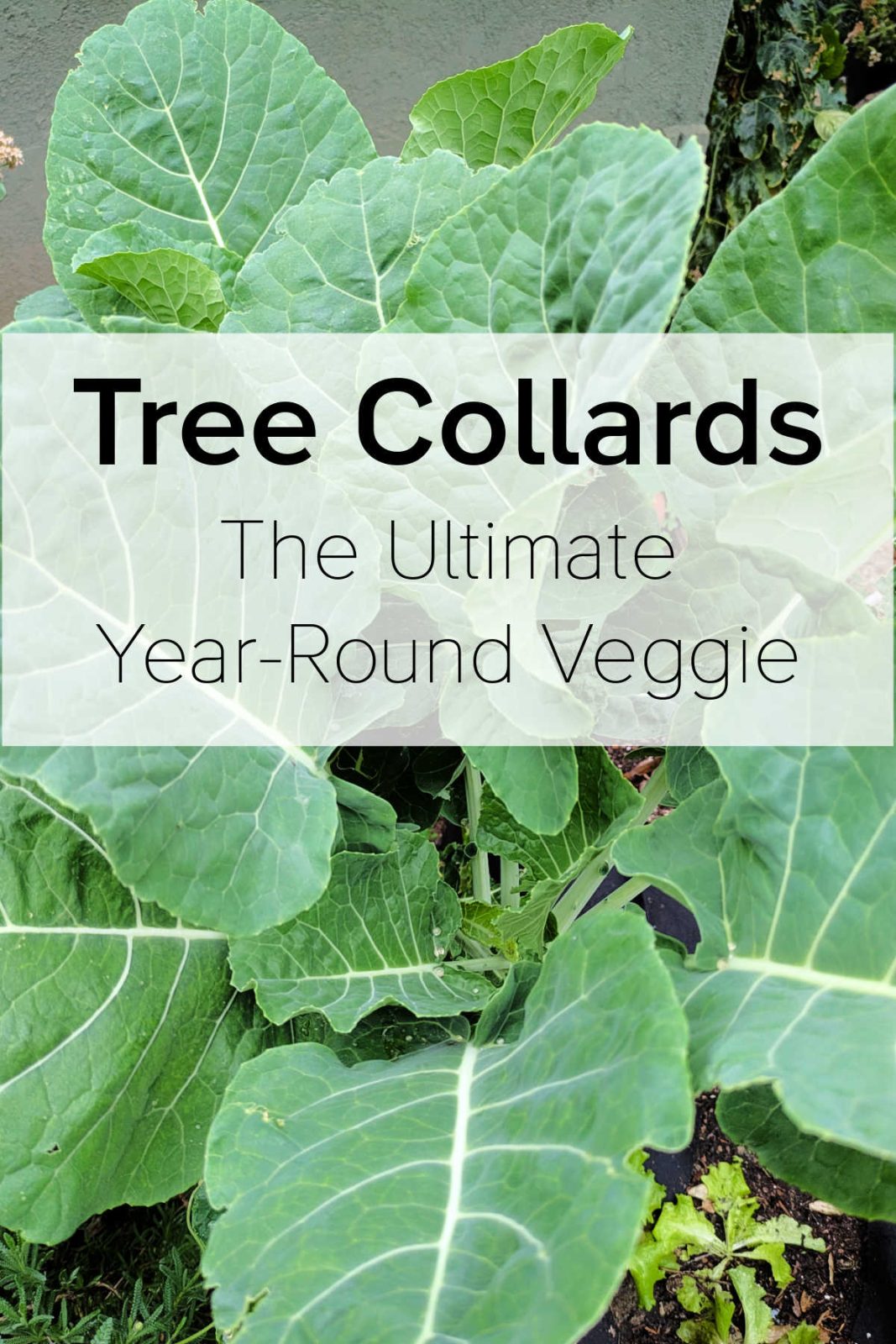
If you are looking for a reliable, hardworking plant to help you achieve year-round backyard food production, tree collards are an absolute dream come true.
I first discovered these incredible plants years ago when I was searching for perennial edible crops that could give me fresh, healthy harvests every single day of the year.
They fit into my permaculture food forest strategy beautifully, providing endless nutritious greens without requiring seasonal replanting. 🥬
What Are Tree Collards?
Tree collards belong to the Brassica genus, placing them in the same family as broccoli, brussels sprouts, cabbage, and cauliflower.
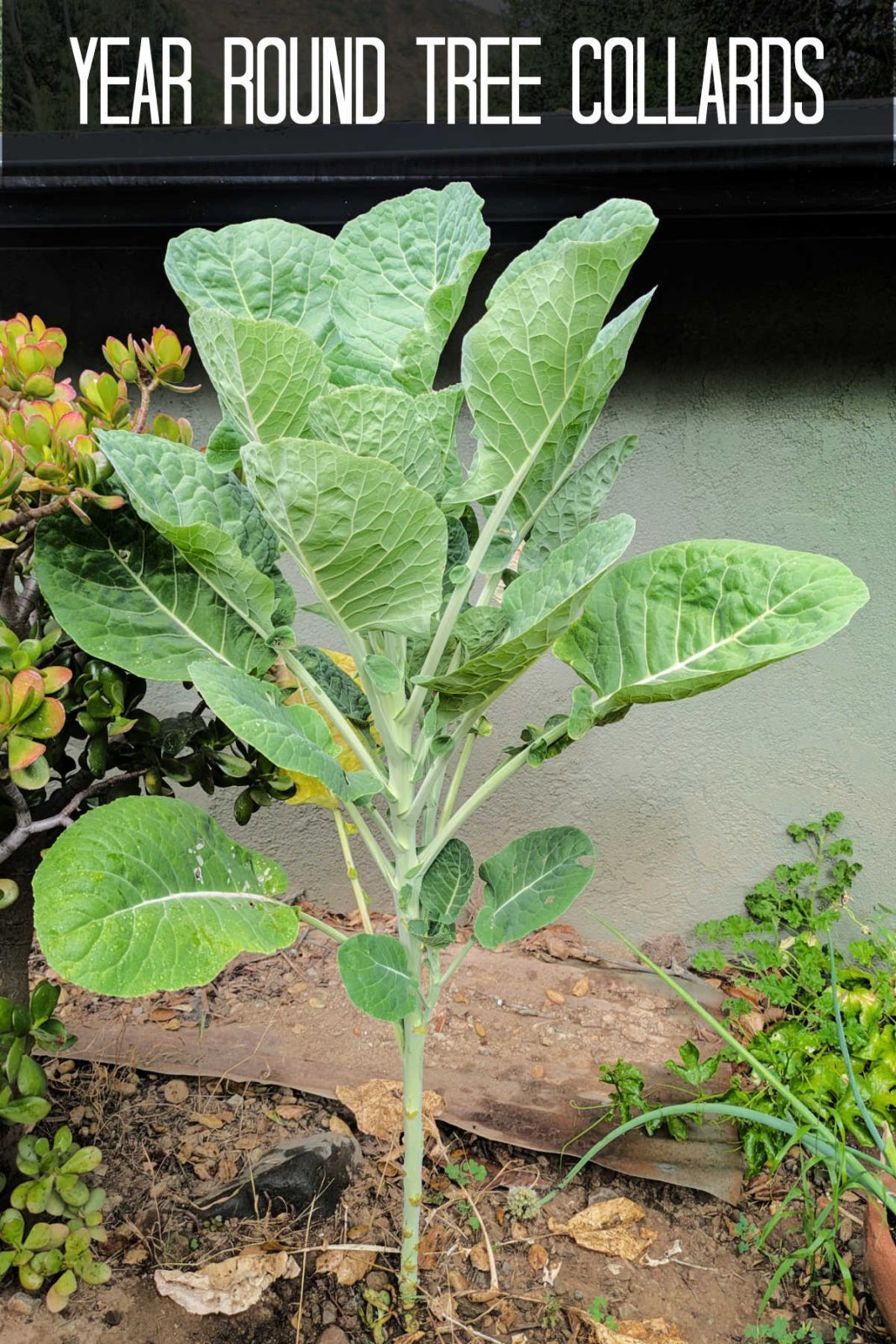
Botanically, they are most closely related to kale, but with a major bonus: unlike annual kales that flower and die off after a season, tree collards are long-lived perennials that continue producing for years.
My very first tree collard plant came from a local nursery, and it has been thriving in my Southern California yard ever since.
Over the years, I have propagated countless new plants from simple cuttings to expand my own garden and share with friends and neighbors. 👩🌾
Sun, Soil, and Climate Preferences
One of the best things about tree collards is how incredibly adaptable and low-maintenance they are in Zone 10b.
- Sun Exposure: They are wonderfully flexible when it comes to lighting. I have some plants growing in absolute full sun—from morning until night—and others tucked into partial shade. They are happy and productive in both locations! ☀️
- Soil Tolerance: They are unbothered by soil type. While I have successfully grown them in pots filled with rich organic potting mix, my oldest, most robust tree collard is planted directly in native California clay soil. Clay can be a nightmare for many delicate garden vegetables, but my tree collards don’t mind it one bit. 🪴
Pests and Wildlife Resistance
Overall, tree collards are remarkably pest-resistant in our region.
I rarely have to worry about bugs or garden critters messing with my harvest.
Over all the years I have grown them, I have only had to treat for earwigs once using Sluggo Plus.
Most years, I don’t need to do anything at all.
Birds completely ignore them, and even local deer generally pass them by.
In fact, in five years of gardening alongside a deer population, they have only feasted on my collards twice during large-herd visits when they were eating every green leaf in sight. 🧺
How to Propagate Tree Collards from Cuttings
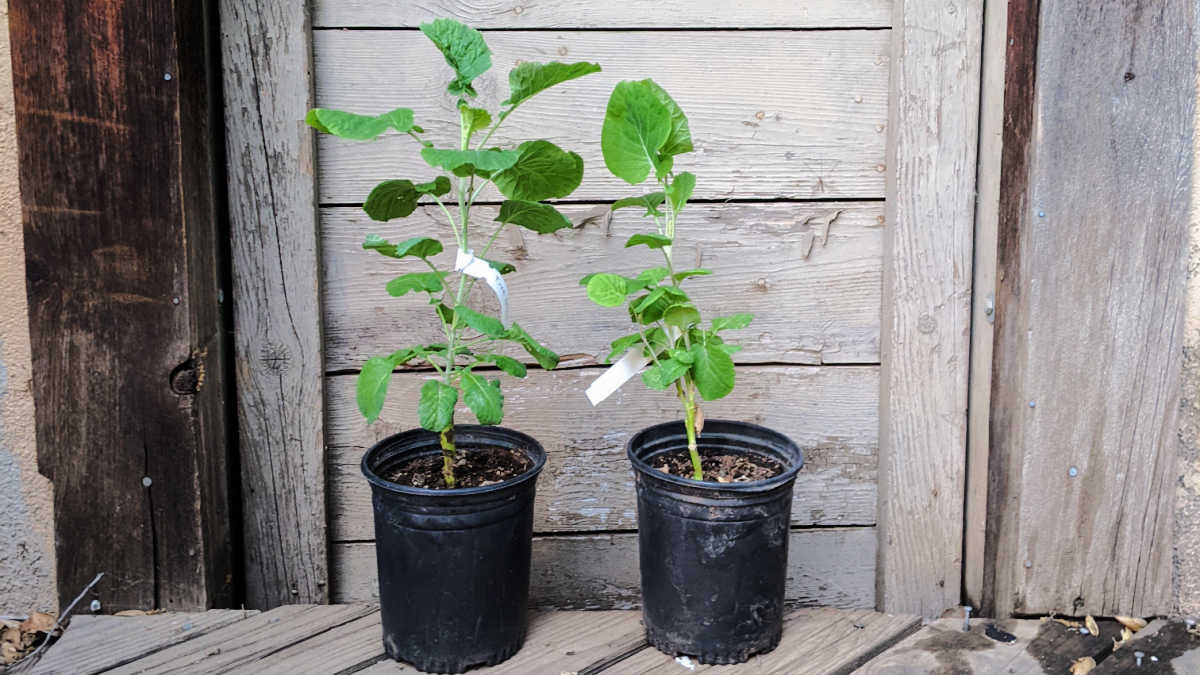
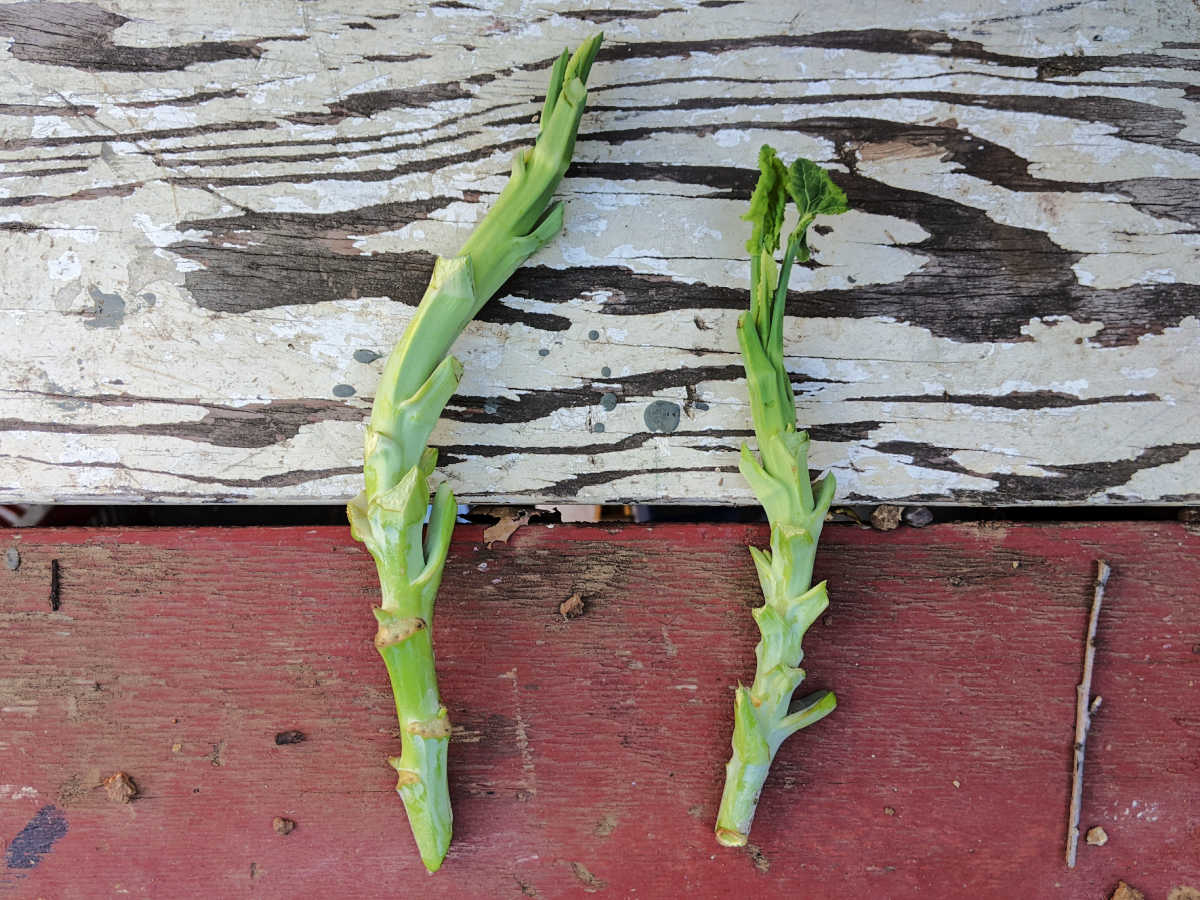
Because tree collards rarely produce viable seeds, they are almost exclusively grown from cuttings.
Luckily, starting new plants from a mother stalk is exceptionally fast and simple!
- Take a Cutting: Snip off a healthy stem section that is about 8 to 12 inches long.
- Strip the Foliage: Gently clip off the leaves so the stem can focus its energy on growing new root systems.
- Plant Directly in Soil: Insert the bare stem straight into moist garden soil or a container.
While you can successfully root cuttings at any point during the year in our mild climate, I have found my highest success rates happen when planting starts during the cooler months of late fall, winter, or early spring. 🌿
Harvesting and Cooking Tree Collards
Whenever I need fresh greens for a meal, I simply walk outside with my clippers and trim off as many leaves as I need.
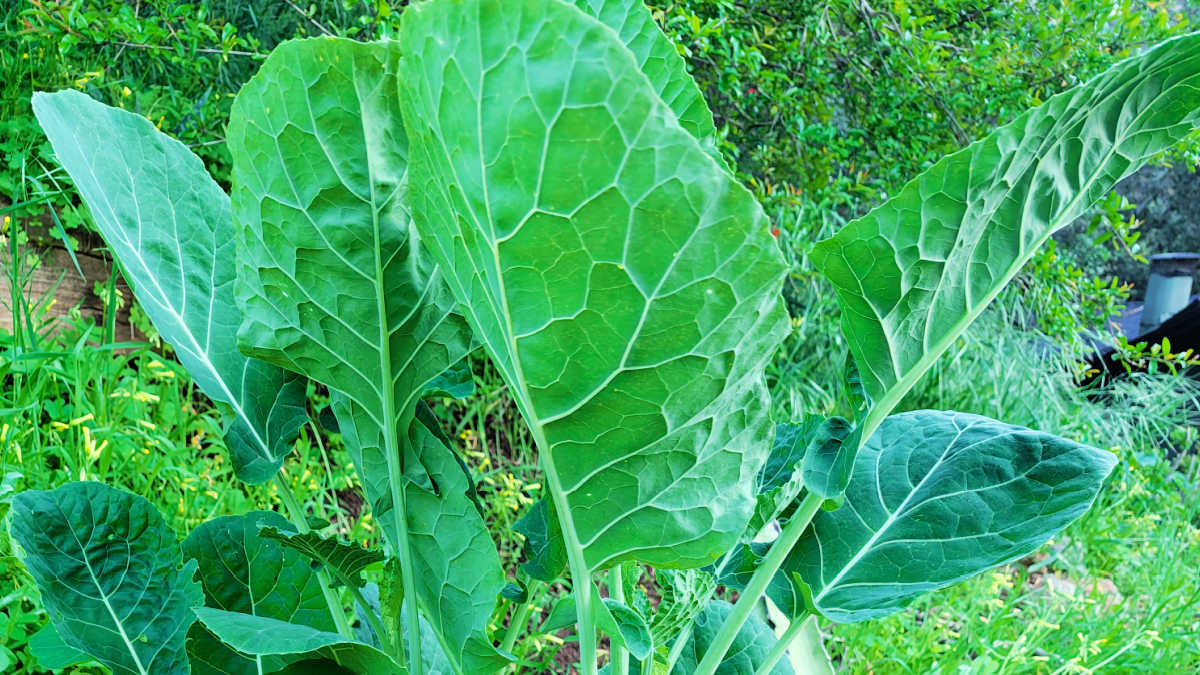
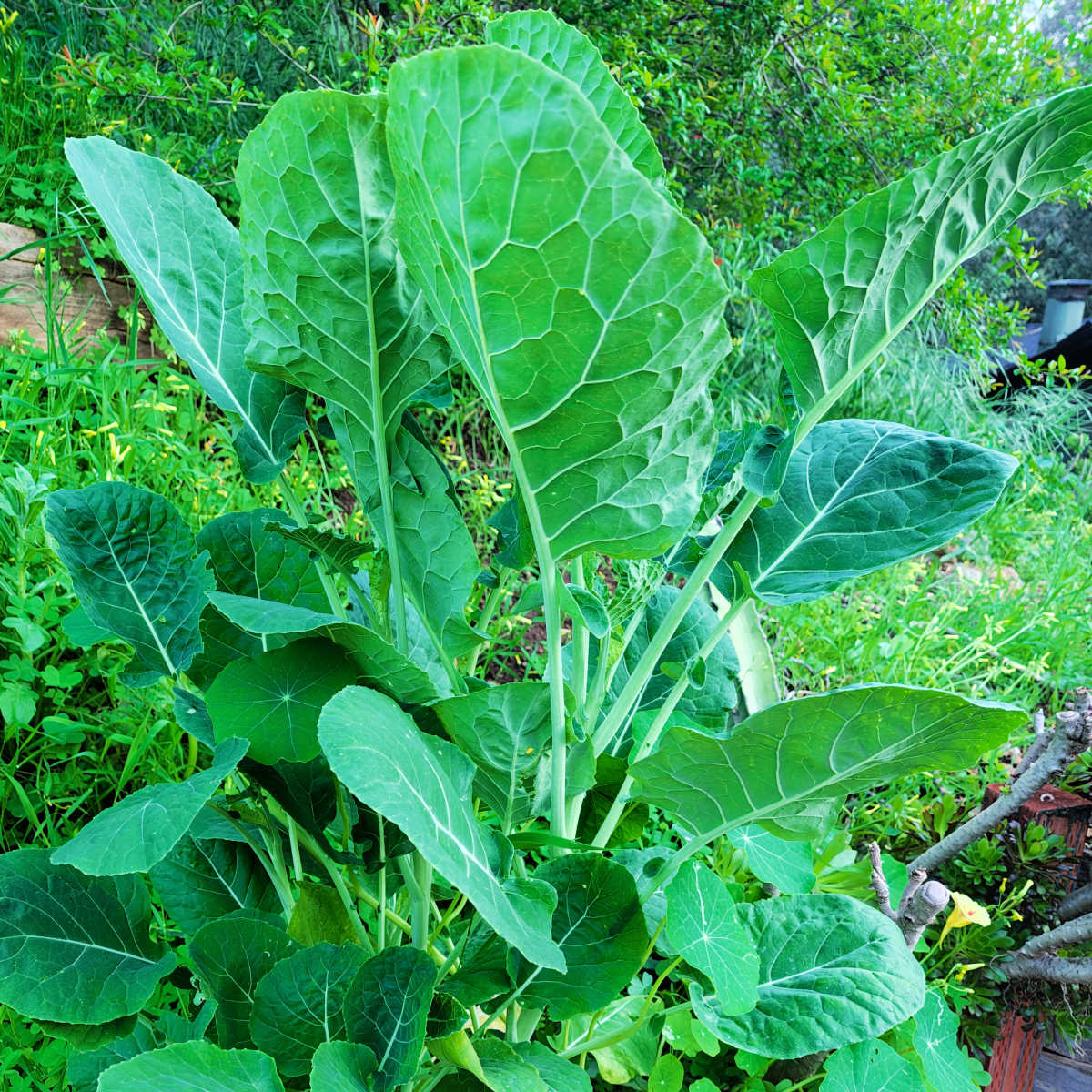
The leaves are firm and sturdy, similar to dinosaur kale.
Because the central stem and spine of each leaf can be quite tough, I usually slice those hard parts away and focus on cooking the tender leafy green portion.
Flavor-wise, tree collards are fantastic.
They lack the harsh bitterness that turns many people away from traditional greens, offering a mild, slightly sweet taste instead. 🍳
My absolute favorite way to prepare them is cooked into stir-fries or simmered in cozy soups, where they add wonderful texture, deep color, and rich nutrition.
You can also slice them thin to add to a crisp salad or hearty slaw!
Managing Plant Size for Easy Maintenance
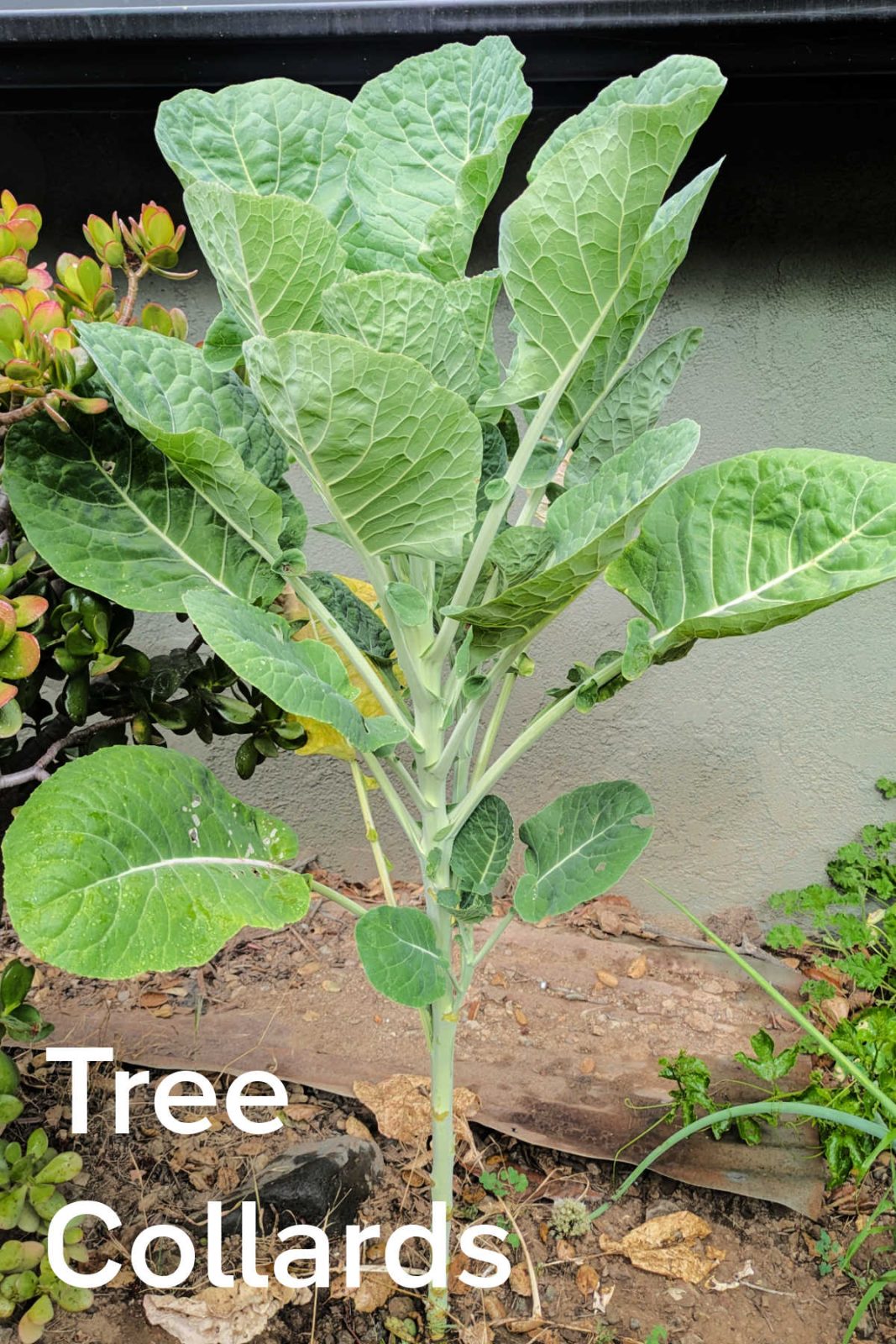
If left to grow completely on their own, tree collards can reach up to 10 feet tall!
However, tall stalks tend to bend and wobble under heavy winds, making harvesting a challenge.
Because I harvest my plants regularly, I keep mine trimmed back to a manageable 5 to 6 feet tall.
Keeping them at this height keeps the harvest simple, makes pruning a breeze, and ensures a lush, bushy growth habit.
Tree collards are truly one of the most rewarding vegetables you can add to a backyard space.
They look striking in the landscape, taste delicious in the kitchen, and give you the ultimate security of perennial food production. 🌳
🧺 More from Mama Likes To Cook
Collard Recipes 🥬
🗂️ The Garden Index
Blueberries 🫐
Coffee
Figs
Squash
Sugarcane
Tree Collards 🥬
Garden Books 📚
- Old Farmer’s Almanac Vegetable Gardener’s Handbook
- The Productive Garden
- Ripe Tomato Revolution
- The Thrifty Gardener
What are you inspired to do today?