Growing Juicy Blueberries in Containers
For a long time, I assumed that if you wanted to grow blueberries in Southern California, you were out of luck.
Between our mild winters that lack heavy chill hours and our naturally alkaline soil, blueberries didn’t seem like an obvious fit for a Zone 10b backyard.
But when I started hearing whispers of other local gardeners having amazing success right here in our region, I knew I had to give it a shot. 🫐
Surprise!
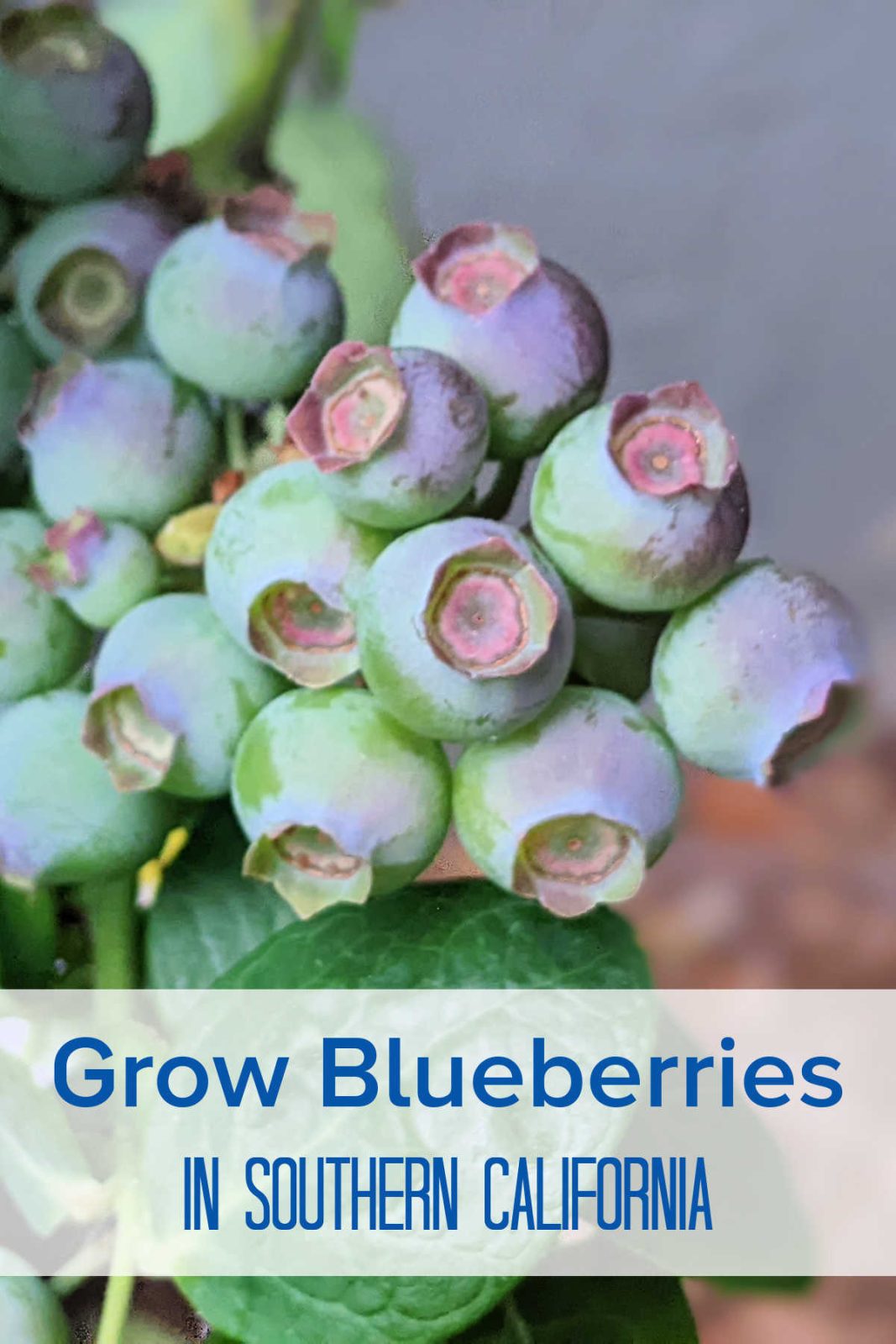
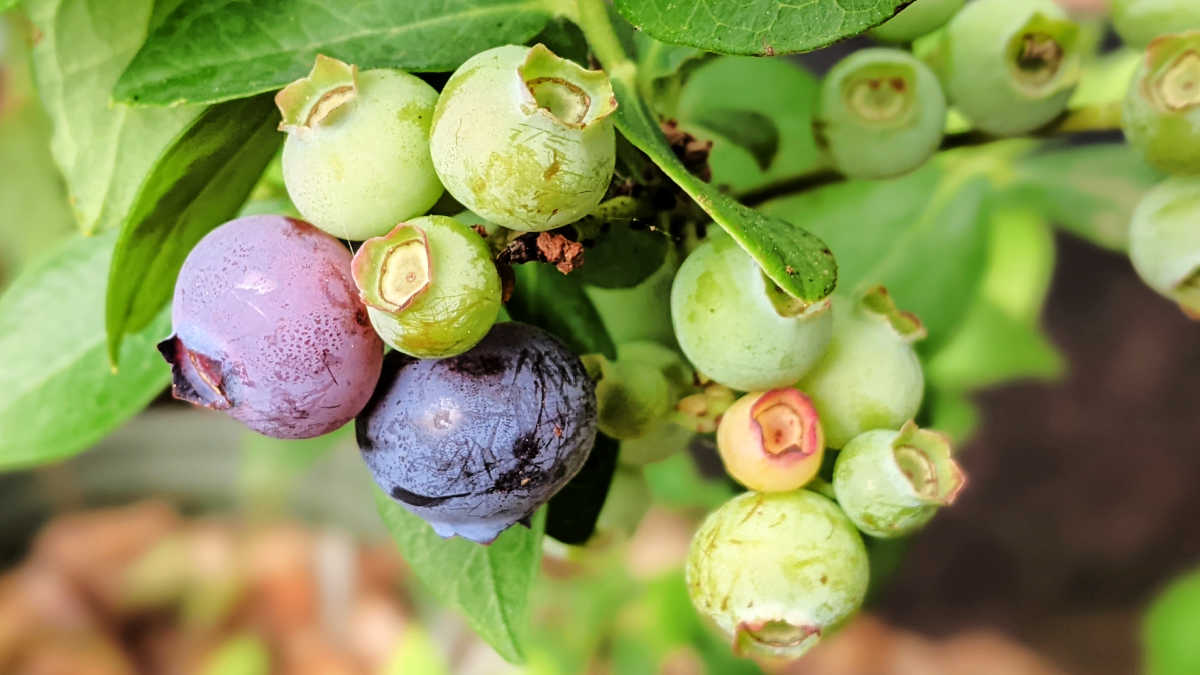
My very first blueberry bush was incredibly happy here, and I was harvesting fresh, sweet berries right off the branches that very first year.
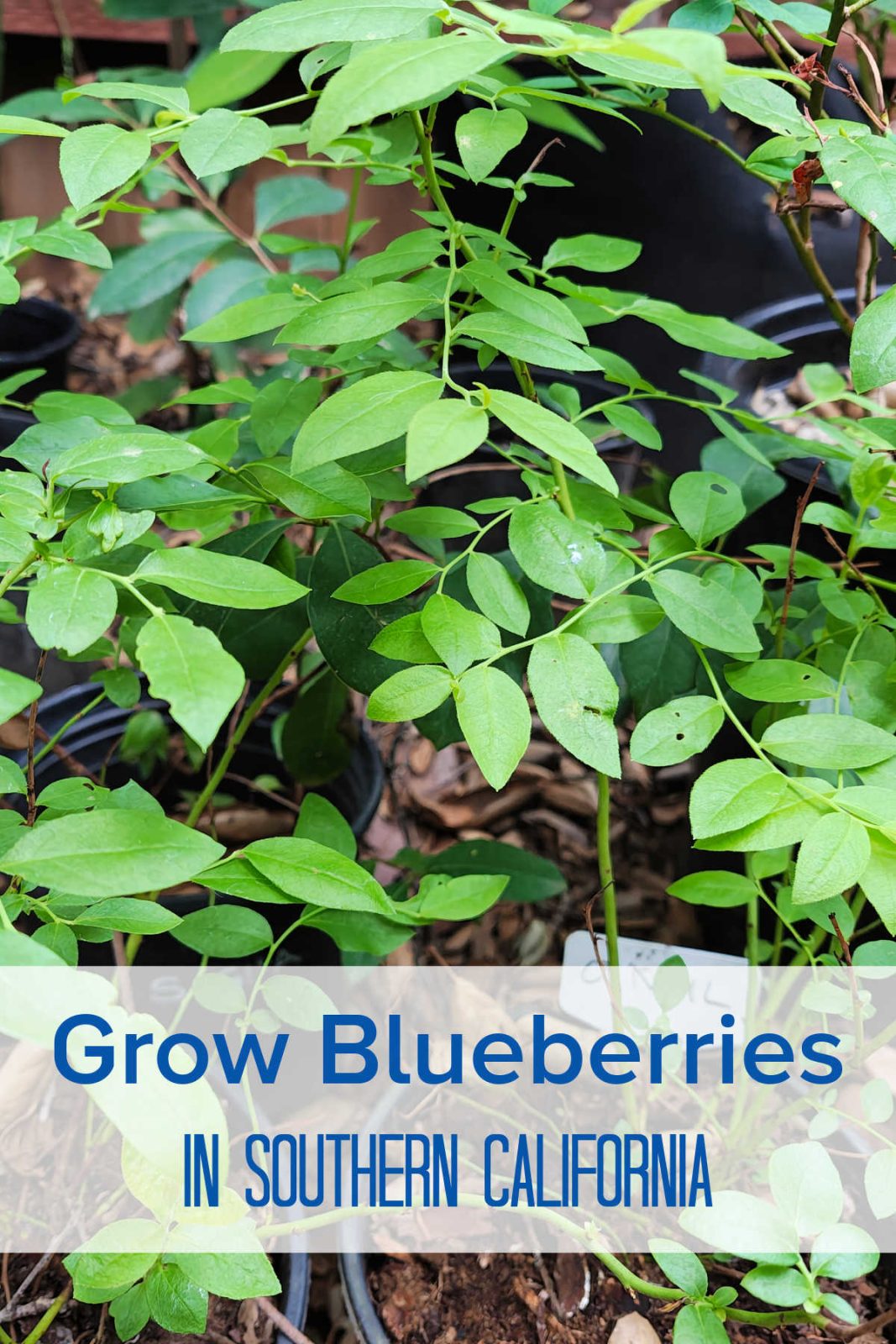
I was so thrilled with the results that I added more plants to my collection, and they are all thriving.
Choosing Low-Chill Blueberry Varieties
The real secret to learning how to grow blueberries in Southern California comes down to selecting the right varieties.
Traditional northern blueberries require hundreds of winter chill hours (hours between 32°F and 45°F) to set fruit, which we simply do not get in Zone 10b.
Instead, you want to focus on Southern Highbush varieties that require lower chill hours and are rated for warmer hardiness zones.
Even during exceptionally mild winters when our local chill hours fall well below standard recommendations, my plants still flower and produce fruit!
Here are the specific, low-chill varieties that I am currently growing with success in my garden:
- Biloxi: A robust Southern Highbush variety known for early ripening and high yields.
- Galaxy: Produces sweet, firm berries and handles heat remarkably well.
- Jewel: Exceptionally prolific in warm climates with a great sweet-tart balance.
- Misty: One of the most dependable low-chill producers for SoCal gardens.
- O’Neal: Highly heat-tolerant with large, sweet, early-season fruit.
- Paloma/Haven: A wonderful addition that produces lovely, flavorful berries.
- Sharpblue: An absolute classic for mild winter areas that fruits over a long season.
- Sunshine Blue: A compact, self-fruiting bush with beautiful pink flowers and delicious berries.
While some of these individual cultivars are self-fruiting, planting a few different varieties together ensures excellent cross-pollination.
Nature takes care of the rest, giving you larger berries and much heavier harvests! 🐝
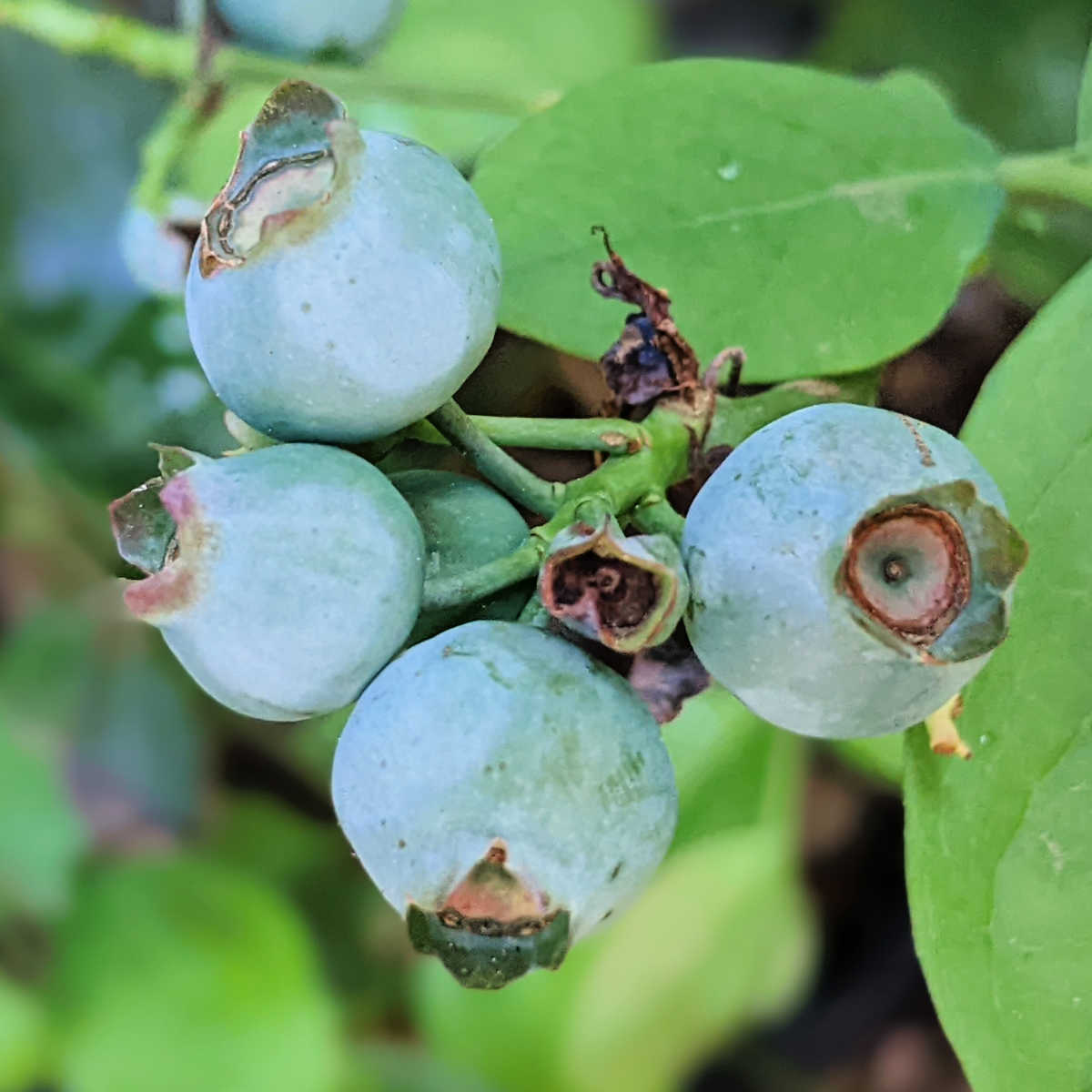
Growing Blueberries in Containers for Easy Soil Control
Blueberries need acidic soil (a pH between 4.5 and 5.5) to survive and absorb nutrients.
That is completely opposite from the alkaline native dirt we have here in Southern California.
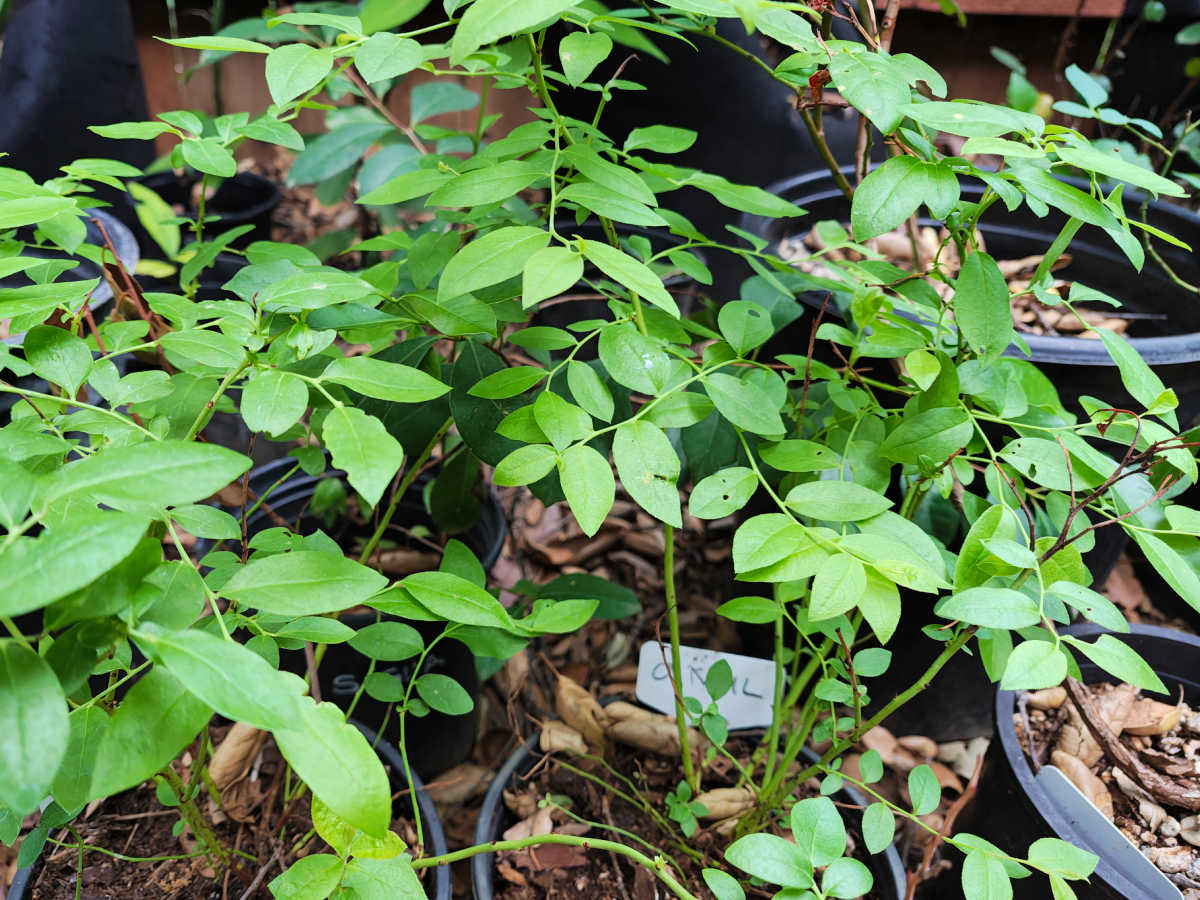
Rather than fighting my natural ground conditions, my simple, stress-free solution is to grow all of my blueberries in containers filled with pre-mixed acid planting soil. 🪴
Container growing offers two massive advantages:
- Perfect Soil pH: You can purchase a ready-to-use acid mix (often labeled for azaleas, camellias, and blueberries) from your local nursery, or mix your own if you are planting a bigger orchard.
- Water Management: Pots allow you to control moisture easily, keeping the root system damp without letting the soil get waterlogged.
When I started out, a few of my plants were in modest 1-gallon nursery pots, and they still managed to fruit during their first season!
However, up-potting them into larger, permanent containers gives the root systems room to expand, allowing the bushes to reach their full, vigorous potential. 🧺
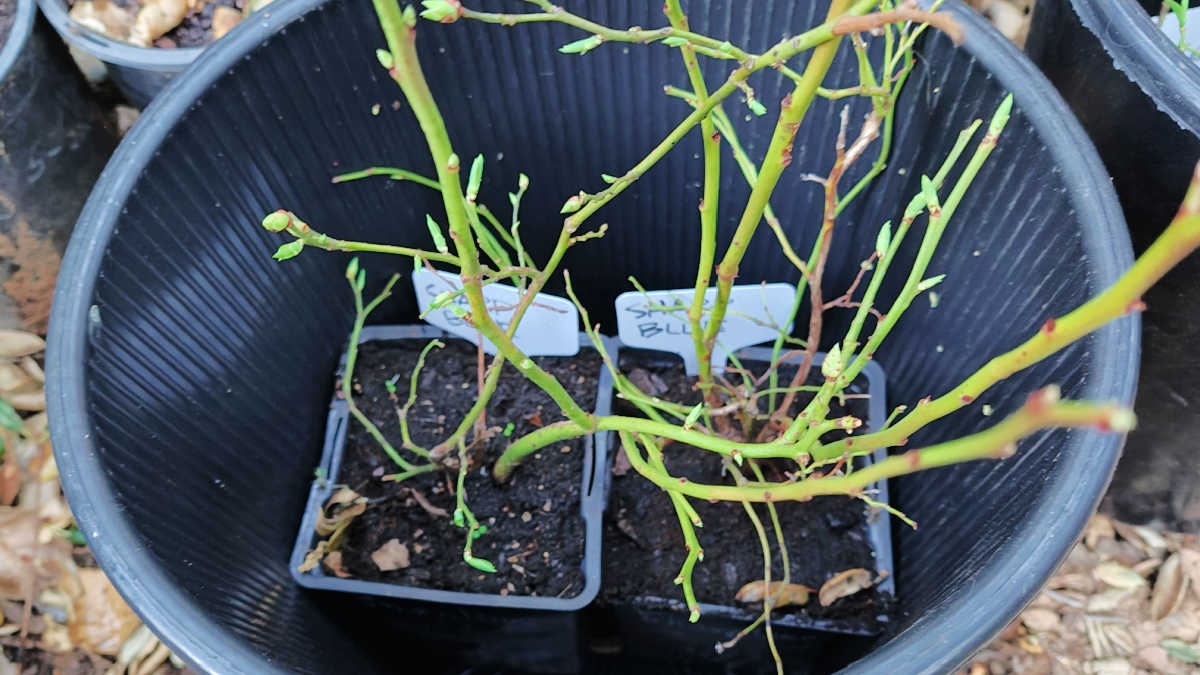
Purchasing Tips: Bare Root vs. Potted
When you are ready to buy your plants, timing and sourcing matter.
My very first blueberry bush was a leafed-out potted plant bought a bit later in the spring season.
However, for all my additional bushes, I purchased bare-root plants while they were still completely dormant in late winter.
If you have the choice, I recommend buying bare-root blueberry plants!
They establish quickly in containers, are generally more budget-friendly, and take off vigorously as soon as spring temperatures warm up.
A word of caution when shopping: big box stores in Southern California frequently stock plant varieties meant for colder regions.
A plant might look green and lush on the store shelf, but if it requires 800 chill hours, it will never fruit in Zone 10b.
Always read the plant tag carefully, verify the chill hour requirements, or consult with local garden clubs before buying.
While I love taking fun experiments on unique varieties, setting yourself up with proven low-chill cultivars gives you a better chance of success. 🛒
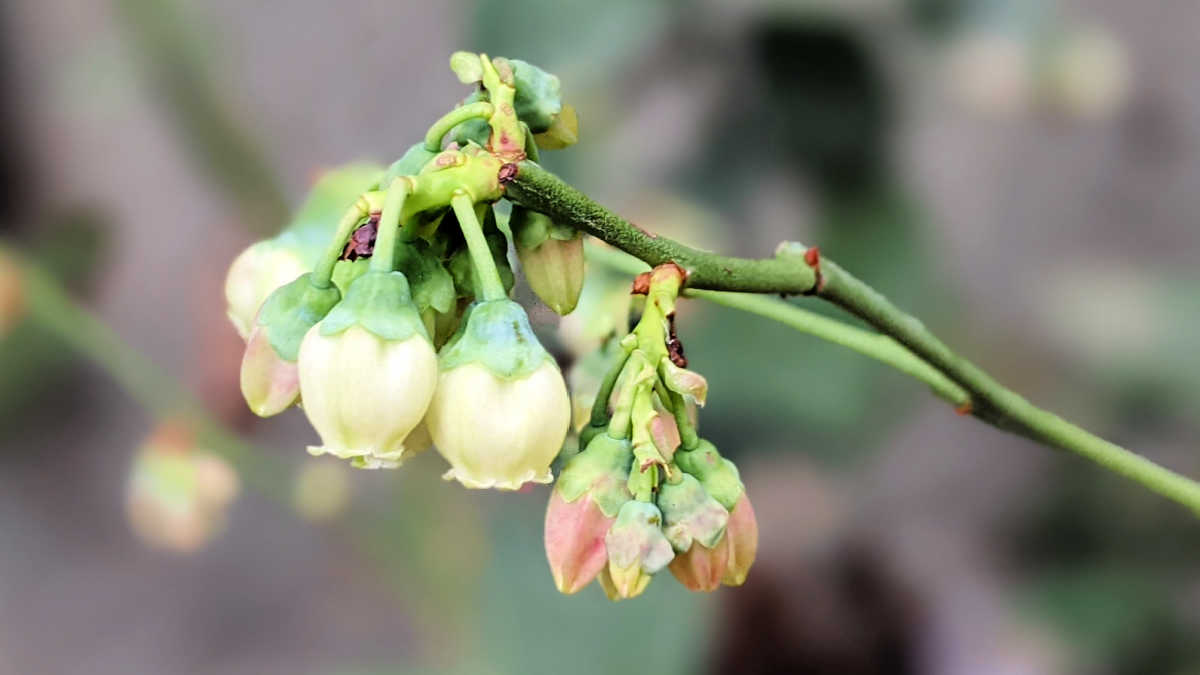
Sunlight and Care Requirements
Standard plant tags usually recommend “full sun” for fruit production, but our Southern California full sun can mean dawn-to-dusk intense heat.
For blueberries, that intense exposure can sometimes burn delicate leaves and dry out pots too quickly.
I keep my blueberry containers in an area of the yard that receives true full sun (about 6 to 8 hours of direct light), but stays protected from the extreme, late-afternoon baking sun.
This microclimate keeps the leaves lush and prevents the soil from drying out too quickly. ☀️
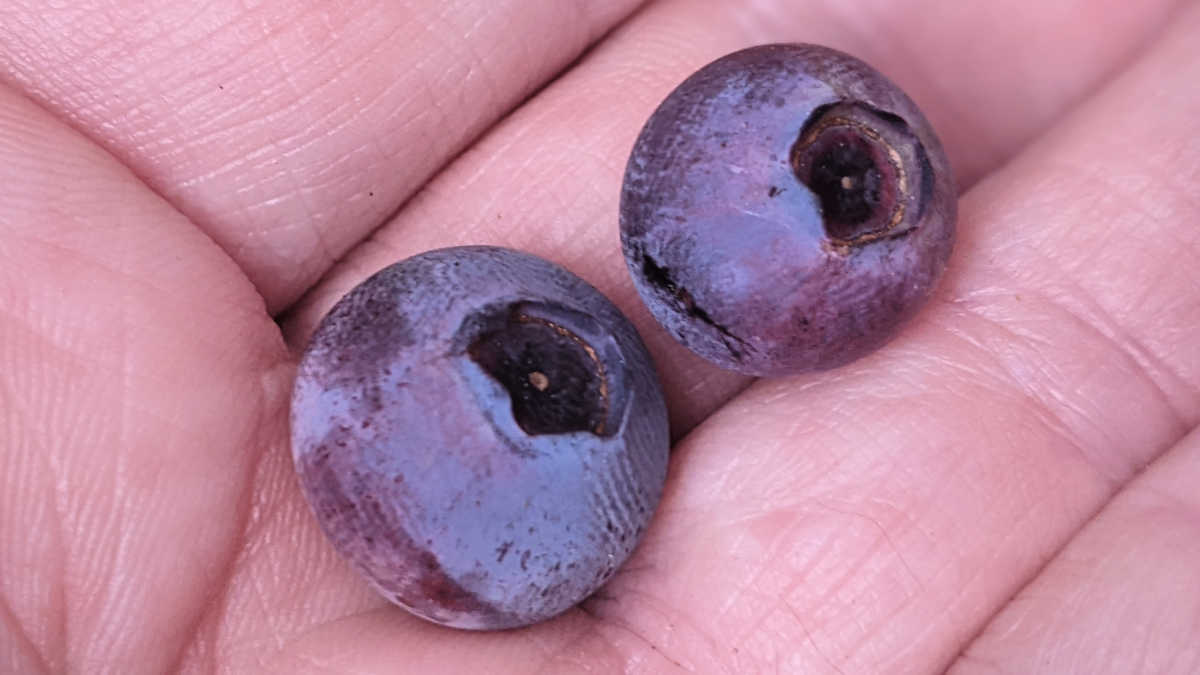
Pest Management and Harvesting
Overall, growing blueberries in Southern California is trouble-free.
The only pests that have ever given me a minor issue are pincher bugs (earwigs) nibbling on tender foliage.
A single application of Sluggo Plus around the base of the containers solved the problem.
Best of all, it is pet-safe and wildlife-safe when used as directed! 🐶
As for the harvest?
Almost all of our blueberries are eaten fresh straight off the bush before they ever make it into the house!
There is nothing quite like walking through the garden early in the morning with a hose in one hand, picking sweet, berries for breakfast.
Maybe next year I will manage to save up enough to bake a pie or cook a batch of homemade jam, but for now, fresh garden snacking is the ultimate reward. 🫐✨
🧺 More from Mama Likes To Cook
Blueberry Recipes 🫐
- Blueberry Filo Stacks
- Cast Iron Skillet Blueberry Crisp
- Blueberry Avocado Toast
- Blueberry Lime Soda
- Sheet Pan Blueberry Pancakes
- Instant Pot Blueberry Compote
🗂️ The Garden Index
Blueberries 🫐
Coffee ☕
Figs 🩷
Squash 🌿
Sugarcane 🤍
Tree Collards 🥬
Garden Books 📚
- Old Farmer’s Almanac Vegetable Gardener’s Handbook
- The Productive Garden
- Ripe Tomato Revolution
- The Thrifty Gardener
What are you inspired to do today?