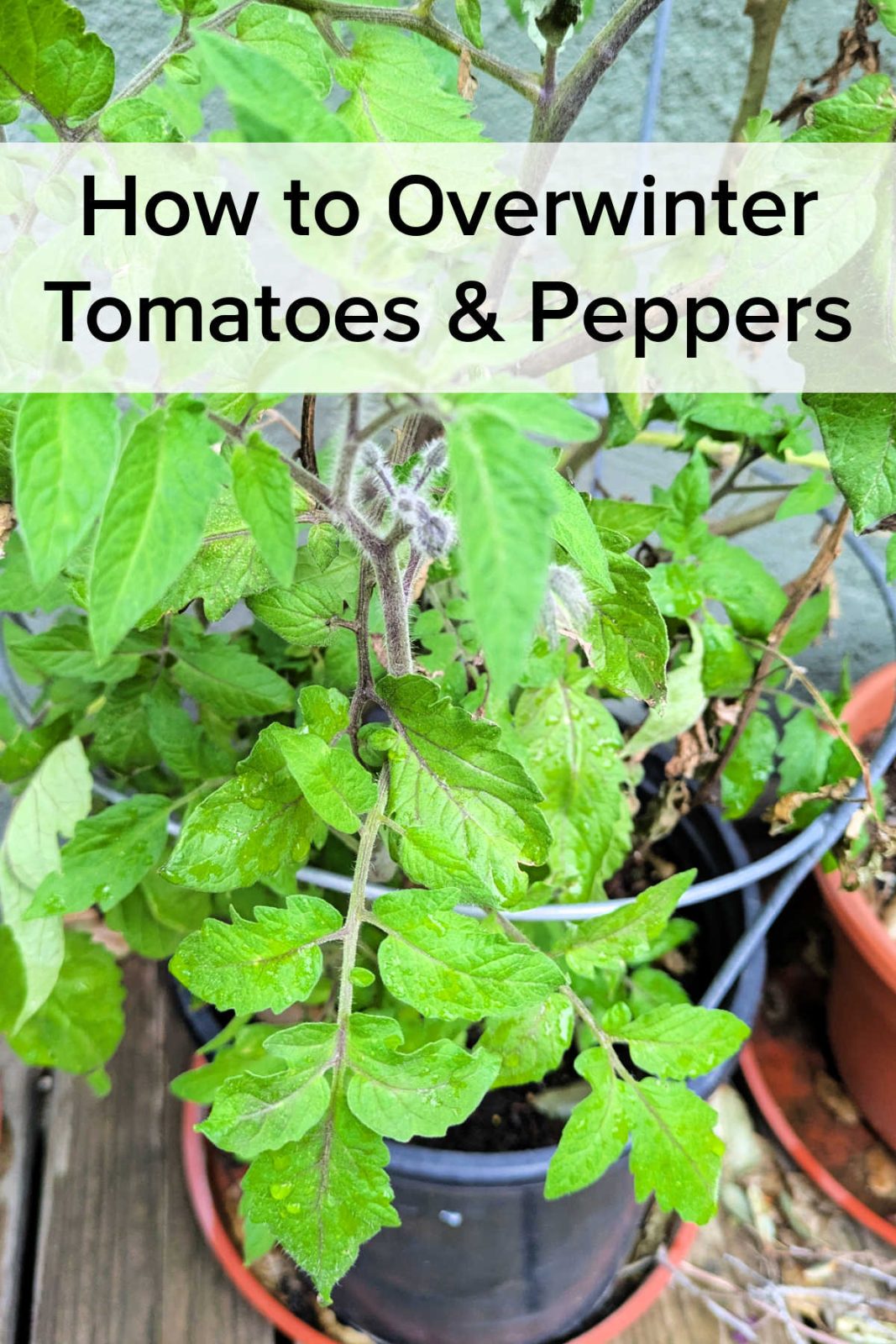
Multi-Year Tomato and Pepper Harvests in SoCal
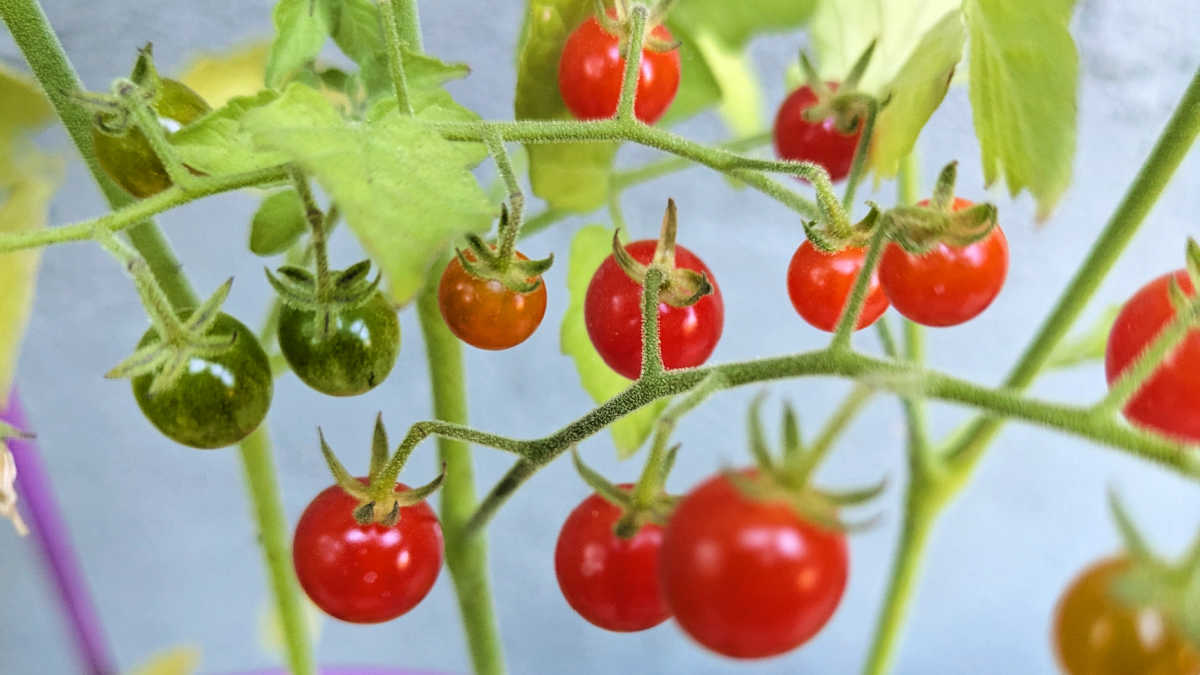
If you look at standard gardening guidebooks or seed packets, tomato and pepper plants are typically listed as annuals.
Gardeners in most parts of the country expect to pull their plants at the end of summer, starting all over again each spring with plants they’ve purchased or seeds they have started themselves.
But here in Southern California (Zone 10b), our mild winters give us a massive shortcut: we can overwinter our plants for multi-year harvests! 🍅🫑
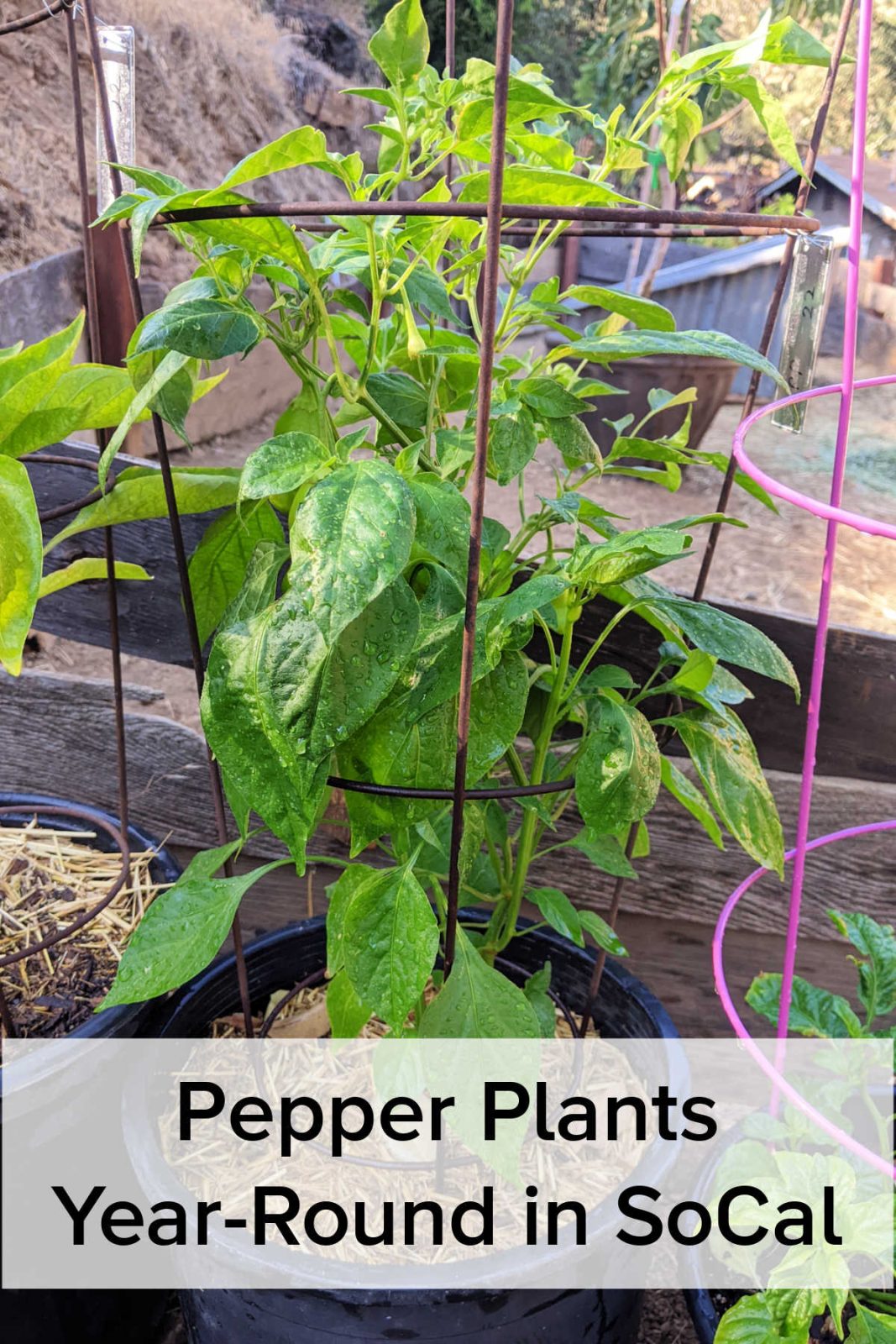
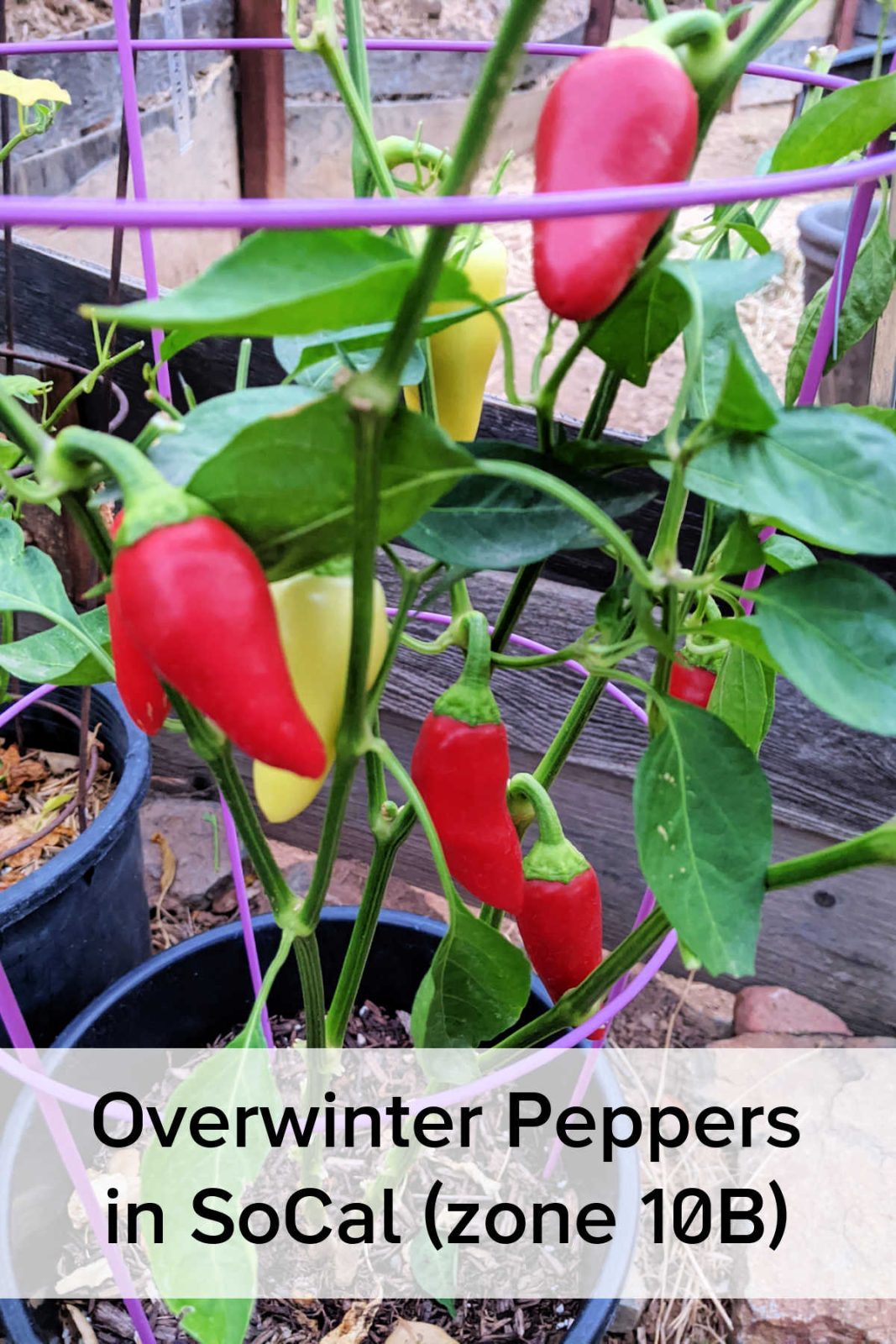
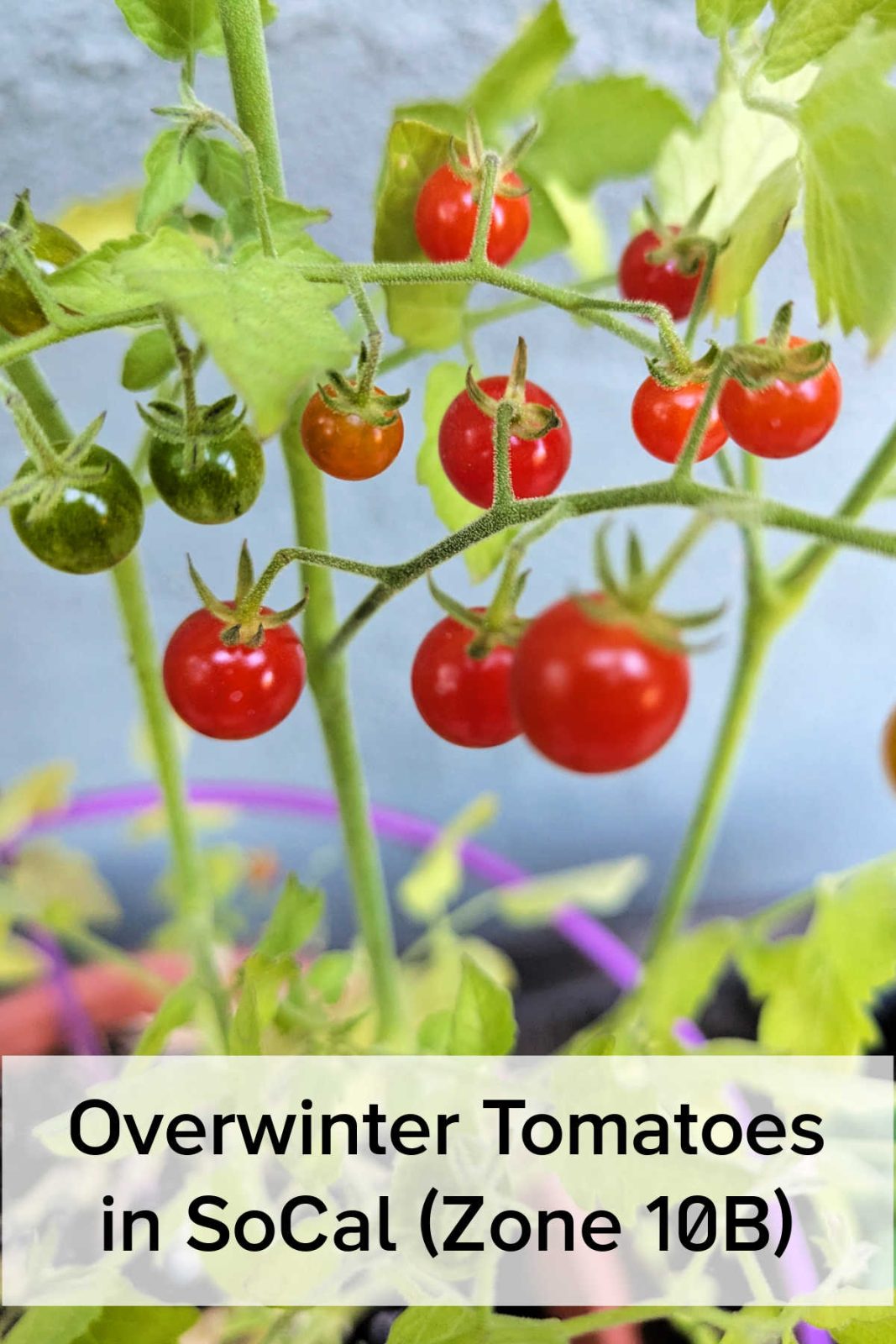
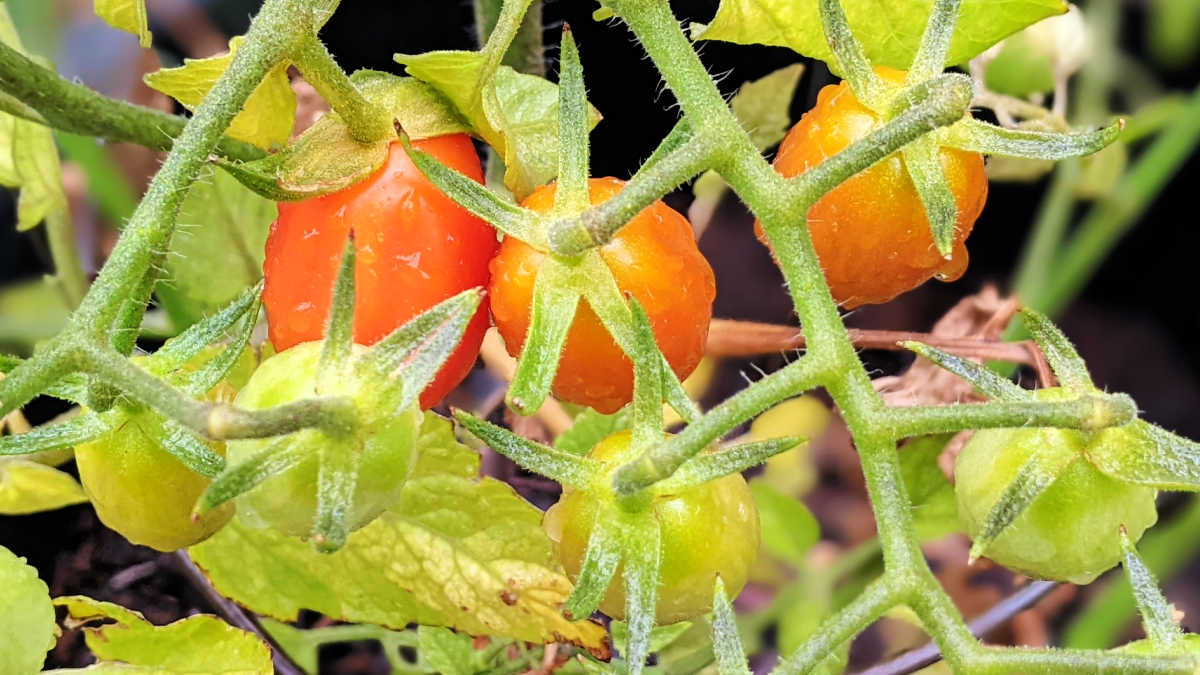
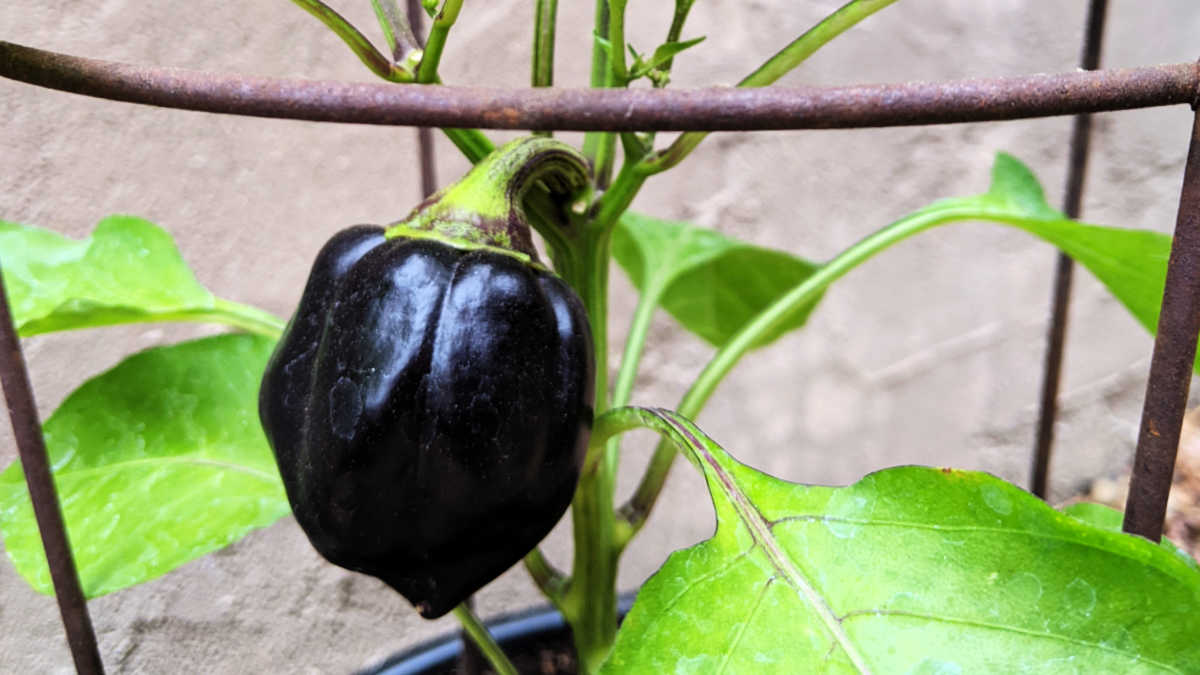
I currently have both tomato and pepper plants (a mix of sweet and hot varieties) that are alive, healthy, and thriving outdoors in my garden after four full years.
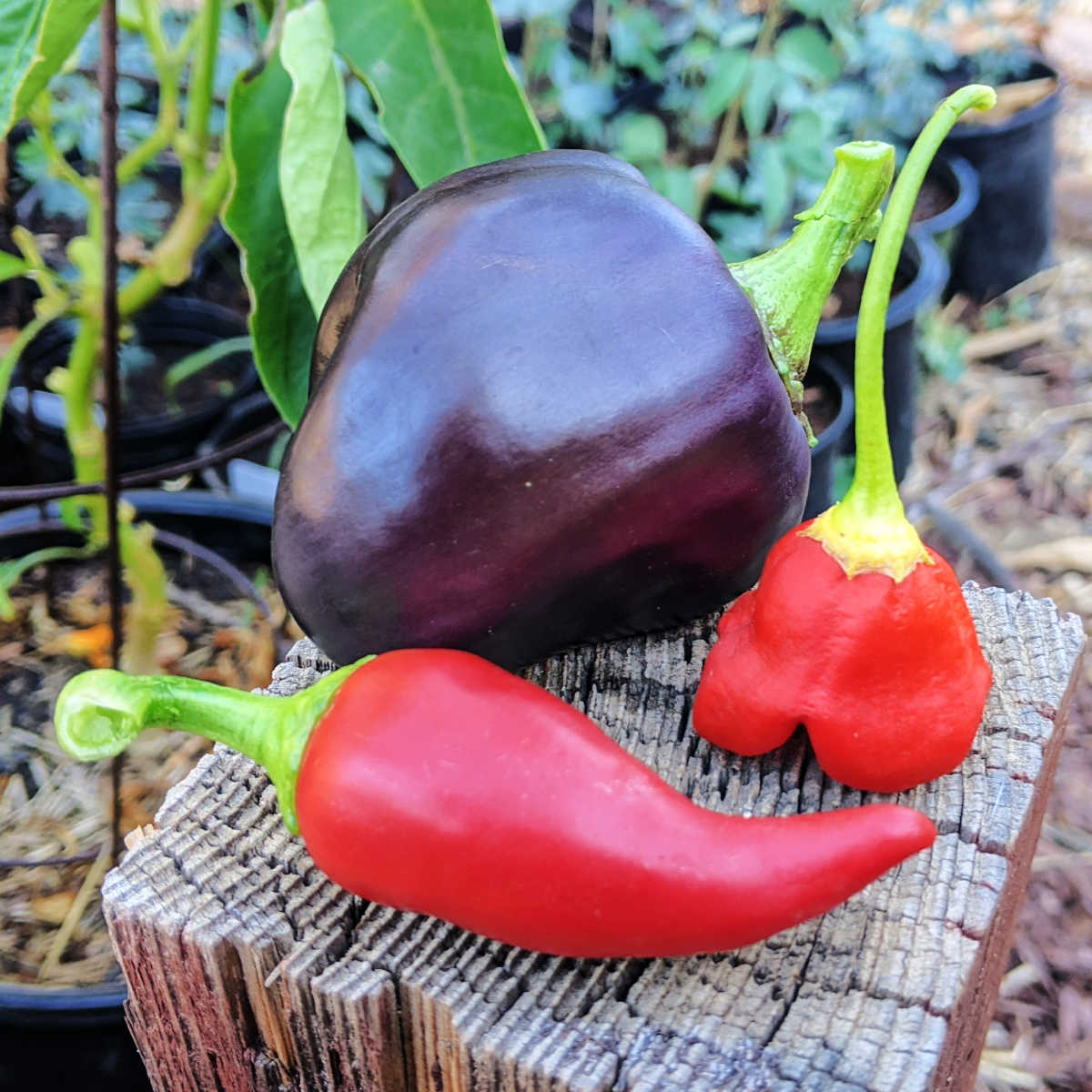
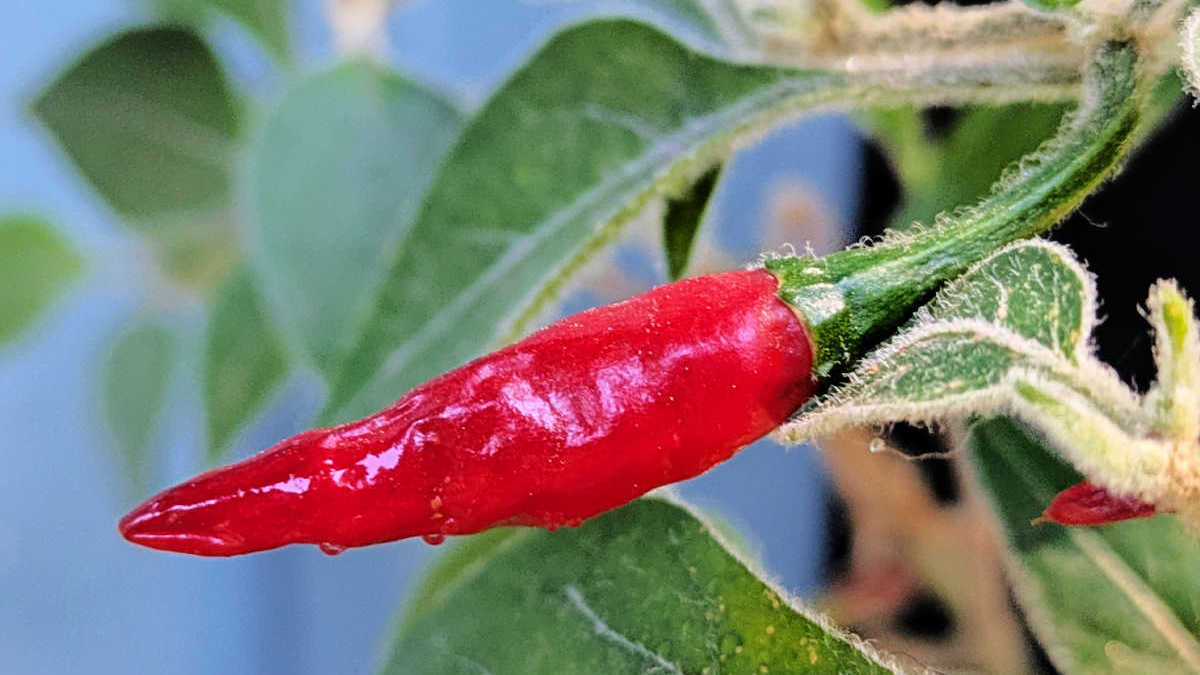
In fact, it is October as I write this, and I just picked fresh peppers today!
Why Overwinter Your Nightshades?
Botanically speaking, tomatoes and peppers are actually tropical perennials.
In climates without hard, prolonged freezes, they don’t naturally die at the end of the season – they simply slow down.
Overwintering takes advantage of our mild climate and offers incredible benefits:
- Budget-Friendly: You save money every spring by skipping the need to buy new starts or seed-starting supplies.
- Head Start on Spring: Because overwintered plants already have massive, mature root systems established, they spring back to life as soon as warm weather returns, giving you fruit weeks earlier than new seedlings.
- Year-Round Enjoyment: While fruit production definitely slows down during the coolest months, healthy plants will often continue ripening existing fruit straight through late fall and winter.
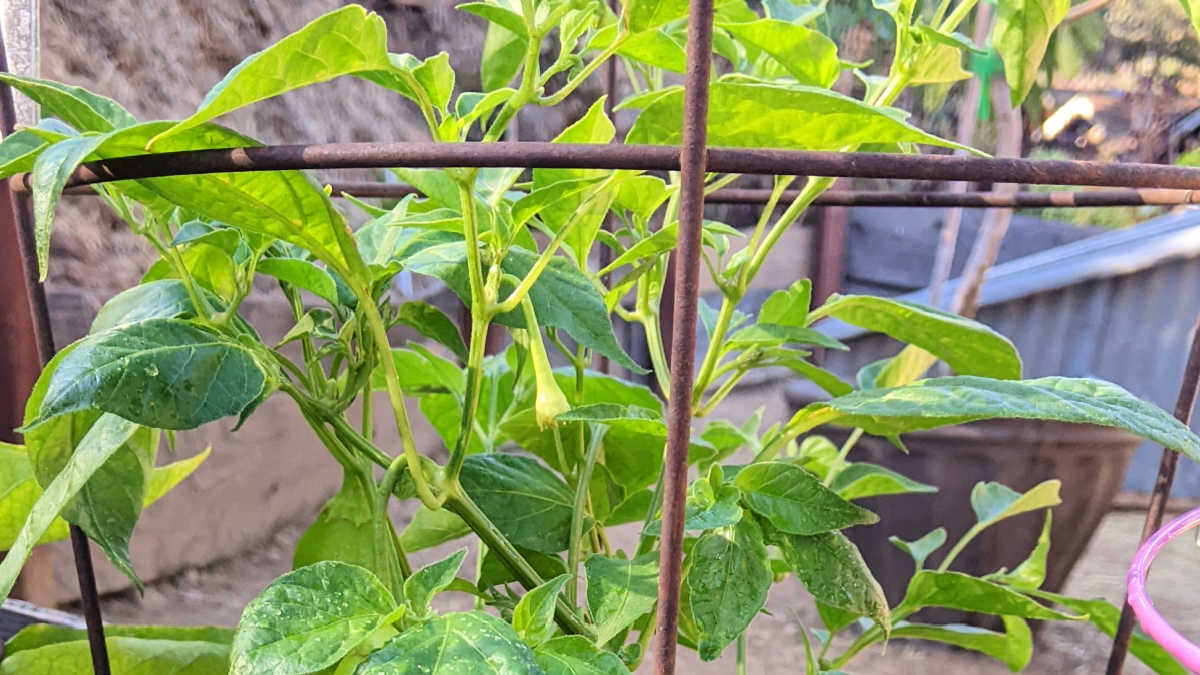
My Low-Intervention Approach to Winter Care
If you search for traditional advice on how to overwinter tomatoes and peppers, you will often find detailed instructions about cutting plants back to bare sticks, digging them up, and moving containers into garages, greenhouses, or sunny windows indoors.
While that heavy-prune method works well for gardeners in freezing climates, I take a much simpler, low-intervention approach here in Zone 10b.
My general philosophy is to let plants work with Mother Nature.
Either they have the stamina to survive in our local climate, or they don’t!
It is a bit of a “survival of the fittest” mentality, but it saves hours of garden labor. 🧺
Pruning Preferences
While standard advice recommends a hard prune at the end of summer, I adjust my strategy based on how mild our season is looking.
Last winter was exceptionally mild, so instead of cutting my plants down drastically, I simply did a light cleanup.
I removed any dead foliage, clipped away yellowing leaves, and cleared out any stems that didn’t look completely healthy.
That minimal tidy-up allowed the plants to keep ripening their autumn set of fruit while staying tidy for winter. ✂️
Location and Protection
Most of my tomatoes and peppers grow permanently in containers.
Traditional guides often suggest moving potted plants to a sheltered patio or indoors for the winter months.
However, I leave my pots right where they sat all summer!
They stay outdoors in their usual garden spots year-round.
The only exception to my hands-off rule is during rare extreme weather.
If our local forecast predicts a sudden, unusual cold snap with temperatures dipping down below freezing, I will toss a breathable plant blanket or frost cloth over them until the cold front passes.
Once the night warms back up, the covers come off, and the plants keep right on going. ❄️
What to Expect During the Winter Months
It is important to set realistic expectations for your overwintered garden.
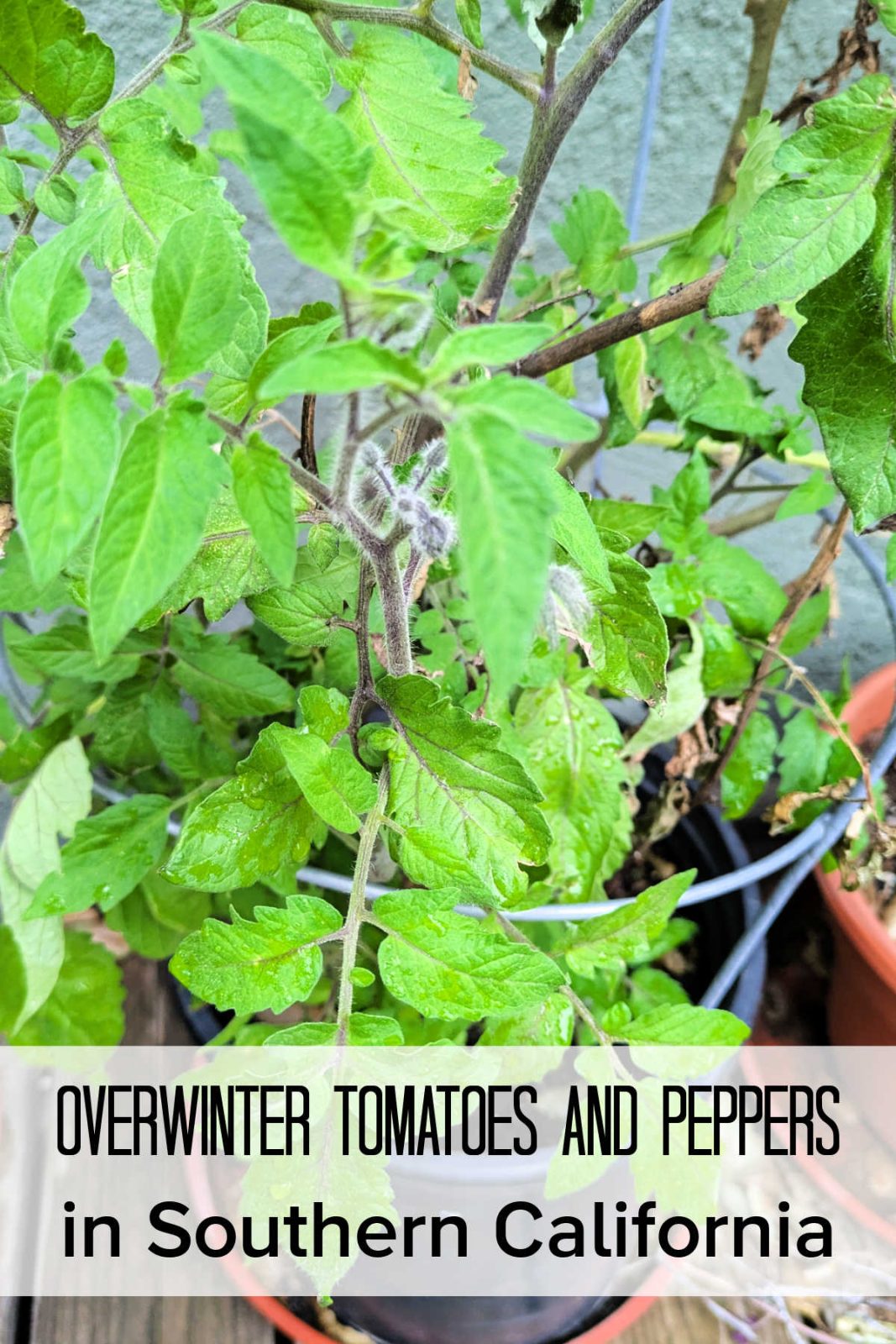
During the coolest parts of winter, your tomato and pepper plants won’t look like lush, green summer showstoppers.
Growth will stall, leaves may look a bit weathered, and flowering will slow way down.
This dormant rest period is completely normal!
Underneath the soil, those established root systems are quietly resting and waiting.
As soon as our Southern California spring warmth hits, those old plants can wake up vigorously, pushing out fresh bright green growth, heavy blooms, and early summer harvests long before newly planted garden starts even begin to flower. ☀️
If you have healthy tomato or pepper plants sitting in your garden right now, don’t pull them up at the end of the season!
Give overwintering a try in your Zone 10b yard.
It is a fun, rewarding, and cost-effective way to get the most out of your backyard food forest year after year. 🌿
🧺 More from Mama Likes To Cook
Salsa Recipes 💖
- Jalapeno Peach Salsa
- Peach Salsa
- Cucumber Avocado Salsa
- Fresh Tomato Salsa
- Pico de Gallo
- Roasted Tomatillo Salsa Verde
- Apricot Salsa
- Tex Mex Salsa
- Strawberry Cucumber Salsa
- Dragon Fruit Salsa
- Garden Salsa
- Jicama Salsa
Hatch Chile Recipes
- How to Roast Hatch Chiles in the Oven
- Peach Hatch Chile Jam
- Hatch Chile Salsa Verde
- Heirloom Tomato Salad with a Hatch Chile Kick
- Grilled Watermelon with Lime & Hatch Chile
- Hatch Chile Devil’s Food Cookies
🗂️ The Garden Index
Southern California Zone 10B Garden 🌱
Blueberries 🫐
Coffee ☕
Figs 🩷
Peppers 🌶️🫑
Squash 🌿
Sugarcane 🤍
Tomato 🍅
Tree Collards 🥬
Garden Books 📚
- Old Farmer’s Almanac Vegetable Gardener’s Handbook
- The Productive Garden
- Ripe Tomato Revolution
- The Thrifty Gardener
What are you inspired to do today?