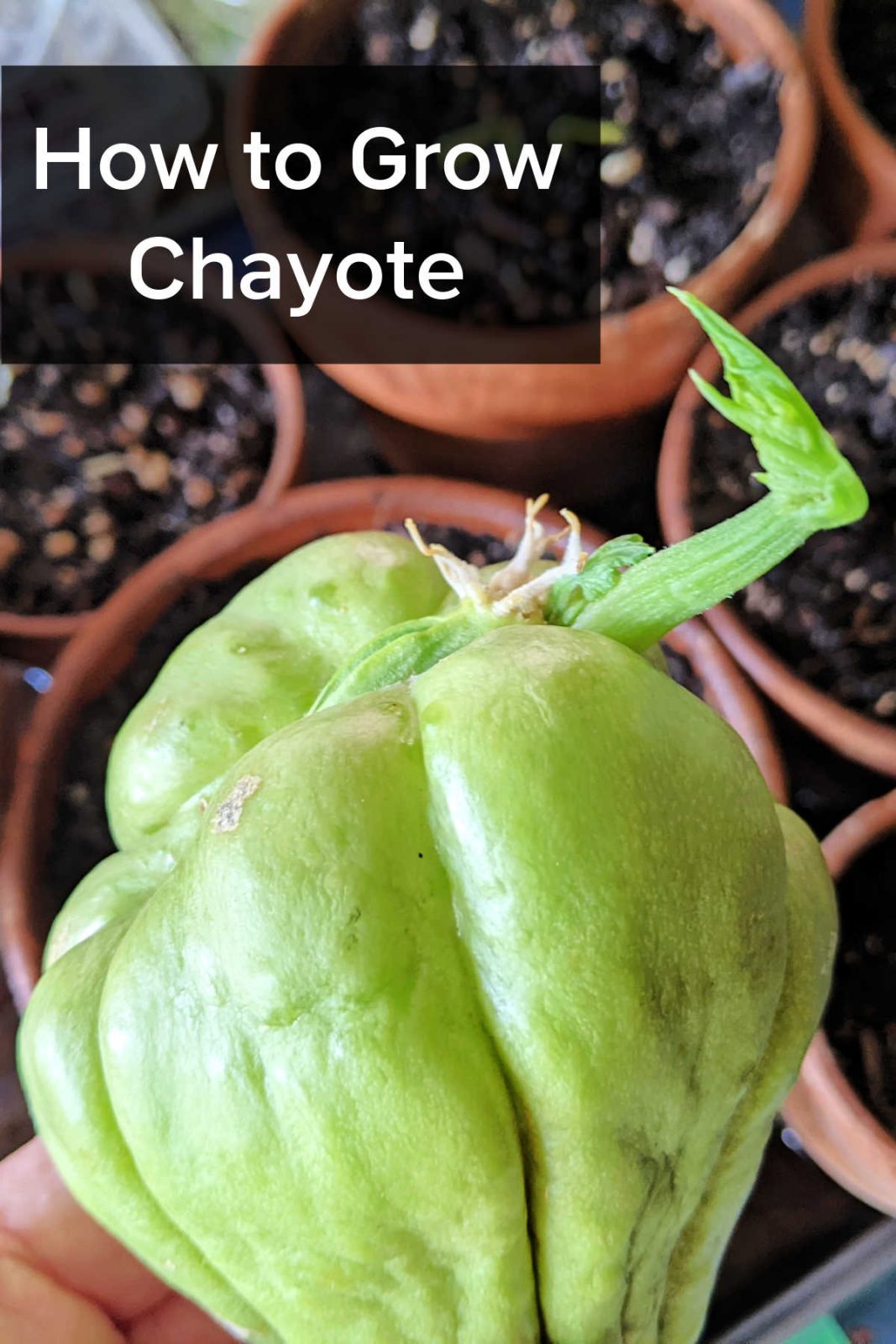
Chayote: A Prolific Perennial Squash for Hot Climates
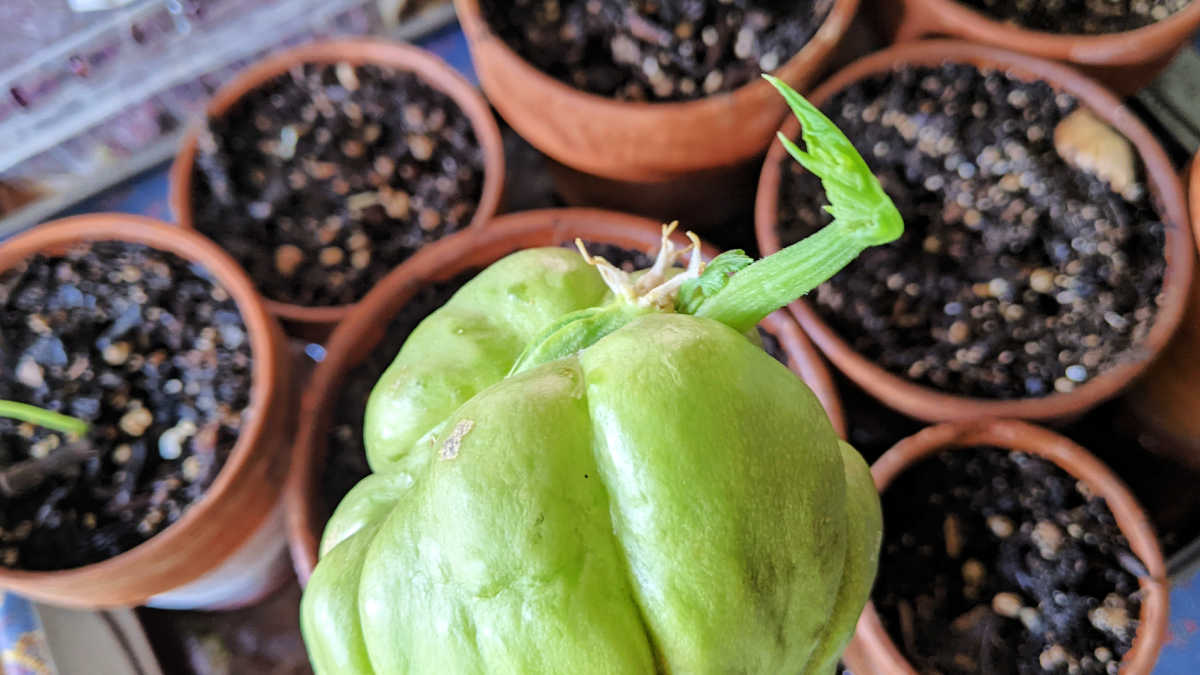
Discover how to grow chayote squash from a whole grocery store fruit. Perfect for Zone 10b, this prolific perennial vine loves summer heat and vertical climbing spaces.
Growing Chayote Squash
Next up in our backyard food journey is a vegetable that deserves a prime spot in a hot-climate garden.
If you want a plant that delivers massive yields with minimal effort, chayote squash is the ultimate addition to your home orchard or vegetable patch.
This low-maintenance vine loves the blazing Southern California sun and can keep producing year after year. ☀️
What is Chayote?
For anyone unfamiliar with this unique crop, chayote is a fascinating member of the gourd family.
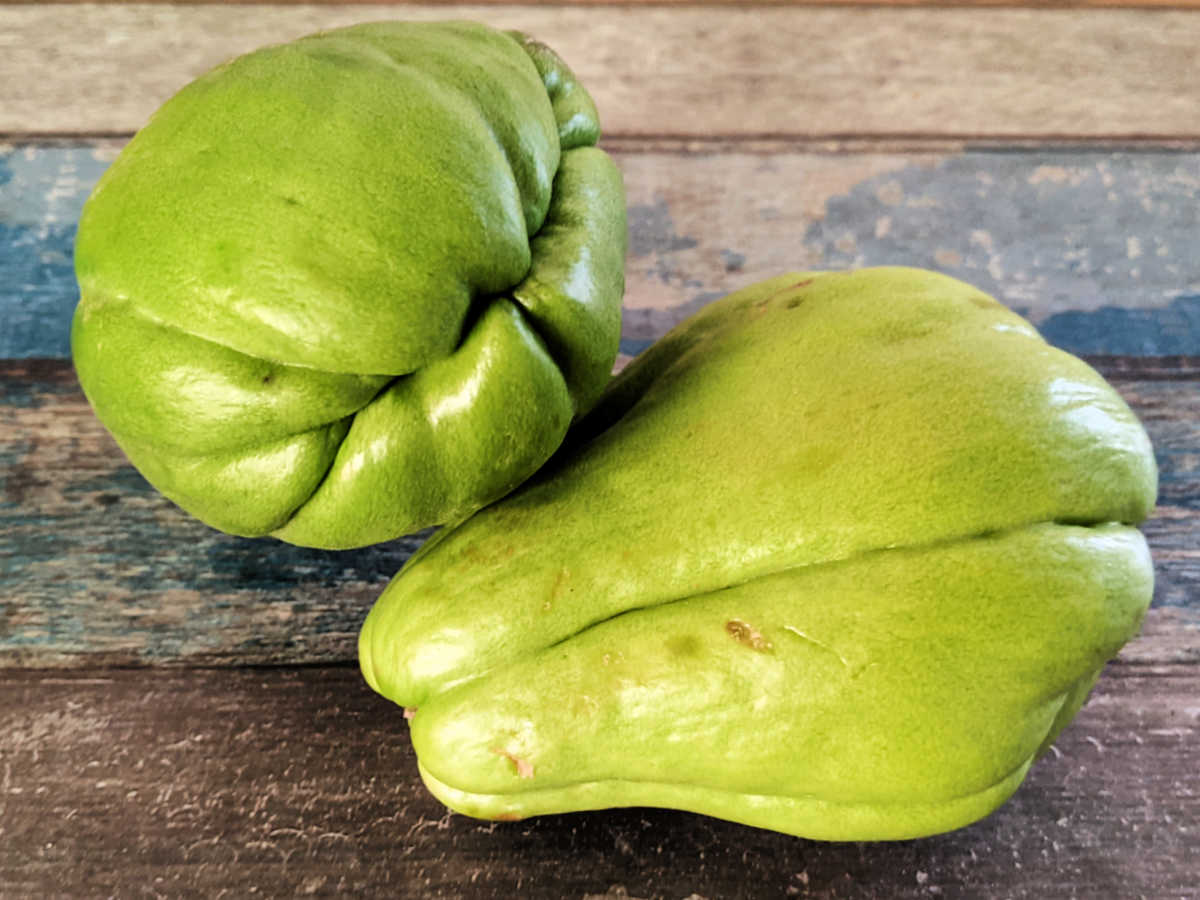
The fruits look almost otherworldly, featuring a pale green or cream-colored skin with distinct ridges that taper down into a puckered end resembling a little mouth.
Flavor-wise, it is wonderfully crisp and mild, which makes it a fantastic culinary canvas that effortlessly soaks up spices and seasonings in the kitchen.
One of the best things about cooking with chayote is that both the skin and the pale flesh are completely edible.
When you bring a basketful into the kitchen from the yard, there is virtually zero prep waste. 🍳
Sourcing Your Starter Fruit
You won’t need to scroll through seed catalogs or visit specialty nurseries for this project.
Instead, your next backyard crop can come straight from the grocery store produce aisle! 🛒
- Keep an Eye Out for Varieties: Chayote is typically sold in smooth green or white varieties. The green type is much easier to find, but both types perform beautifully here.
- The Countertop Sprout Trick: When you leave a whole chayote squash sitting out in a warm kitchen for too long, nature takes over. It will naturally begin to sprout on its own. You can intentionally place a few whole squashes in a bright, warm room and wait. Before long, you will see a bright green vine push its way right out of the wide, mouth-like base of the fruit.
How to Plant Chayote Step-by-Step
Once that green sprout makes an appearance, it is time to get your hands dirty.
- Choose a Permanent Home: Because chayote behaves as a perennial in our mild climate, it will live in the same spot for years. Pick a location that receives full sun.
- Plant the Entire Fruit: Do not try to slice open the squash or harvest a seed from the center. You bury the entire whole fruit directly into the earth.
- The 45-Degree Angle: Dig a shallow hole and place the squash inside at roughly a 45-degree angle. Ensure that the wide end with the emerging green sprout is pointing up and sitting just slightly above the soil surface.
- Bury and Water: Cover the main body of the squash with soil, press down gently around it, and give it a deep, thorough watering to help it settle. 🪴
Managing a Massive Perennial Vine
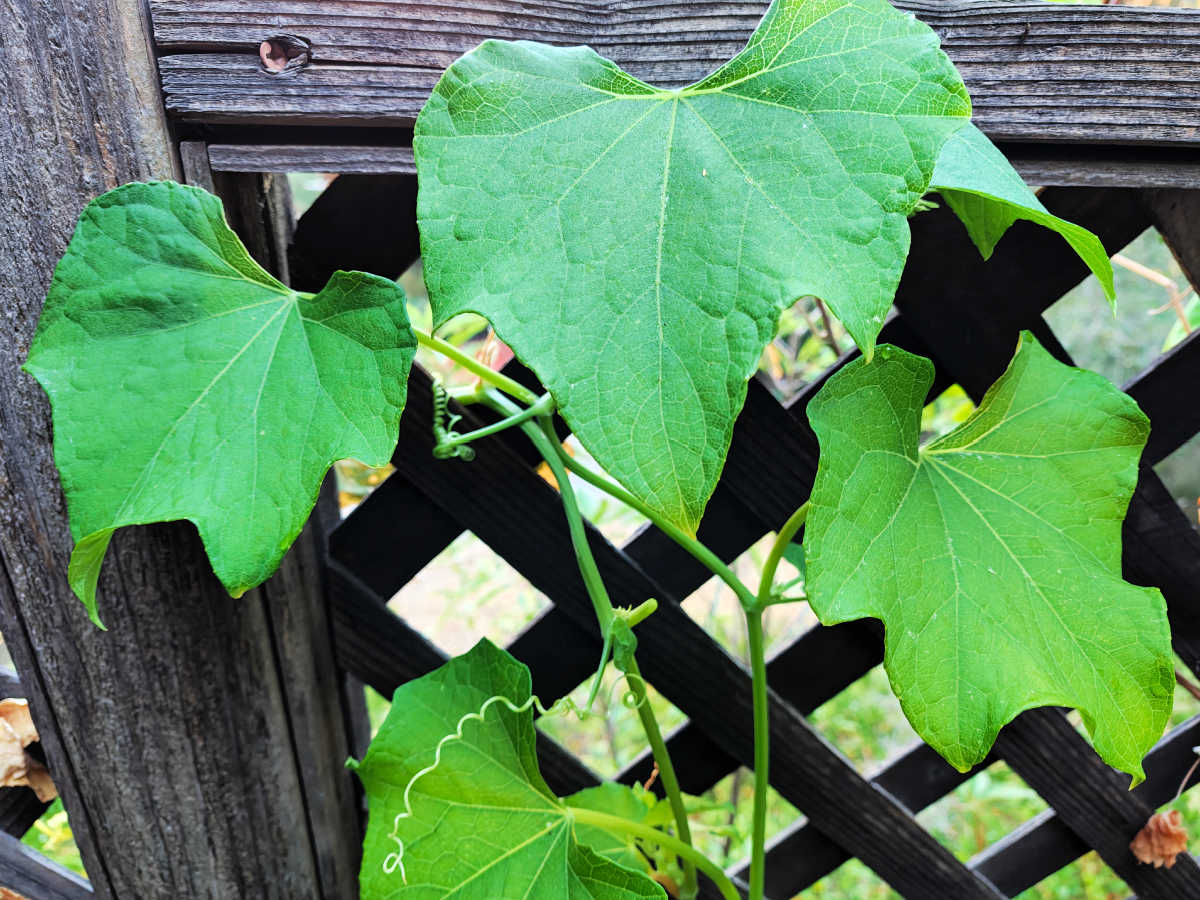
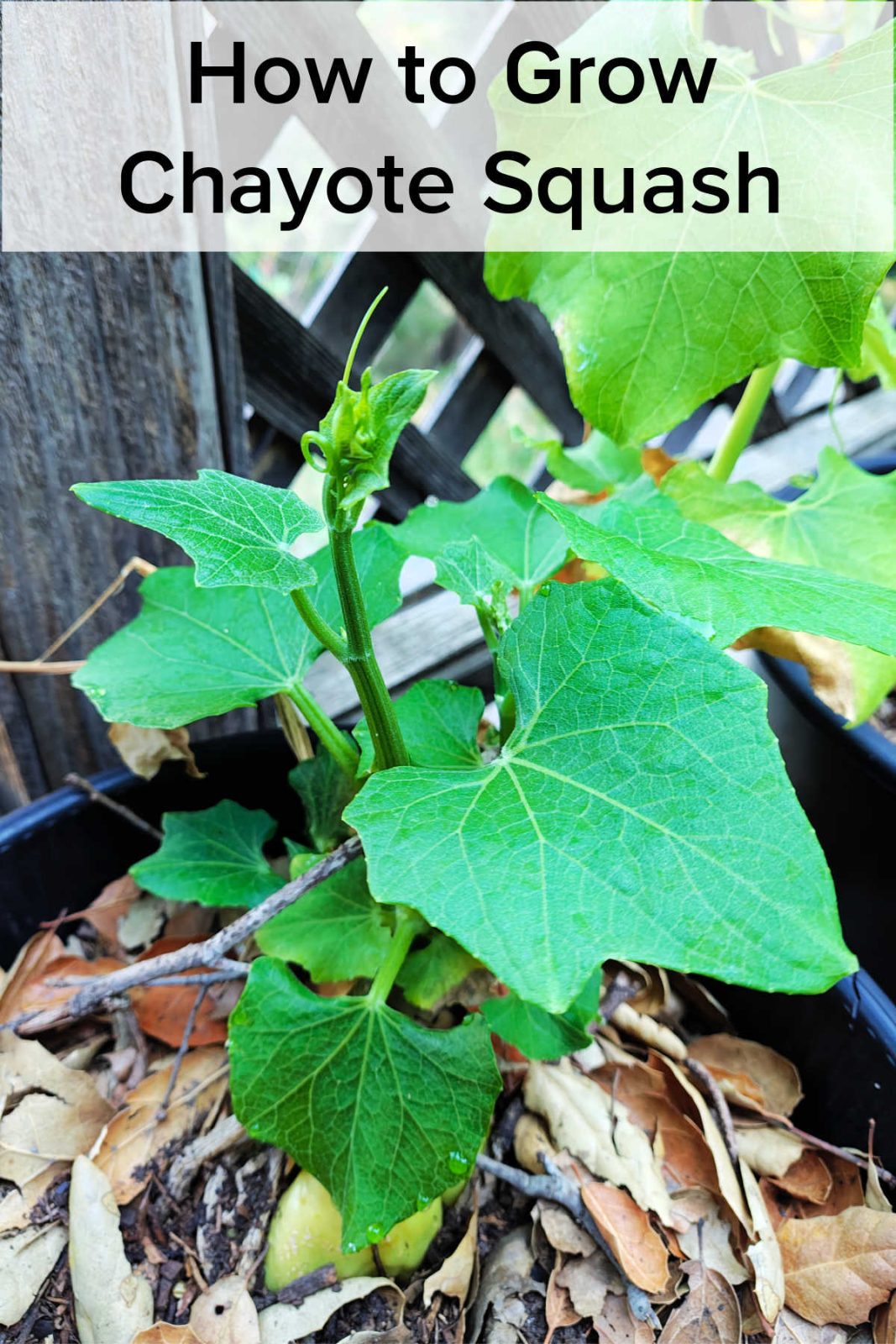
Once established, this vine becomes an absolute powerhouse of growth, easily stretching well past 20 feet long.
Because it gets incredibly heavy when laden with fruit, it absolutely requires a durable, sturdy support system.
To save space and keep my garden manageable, I plant my chayote directly next to a fence so the tendrils can grab hold and climb.
From an economic standpoint, this is easily one of the most budget-friendly ways to grow substantial food at home.
For the price of a single grocery store item, you can get a sprawling plant that drops pounds of fresh produce season after season. 🧺
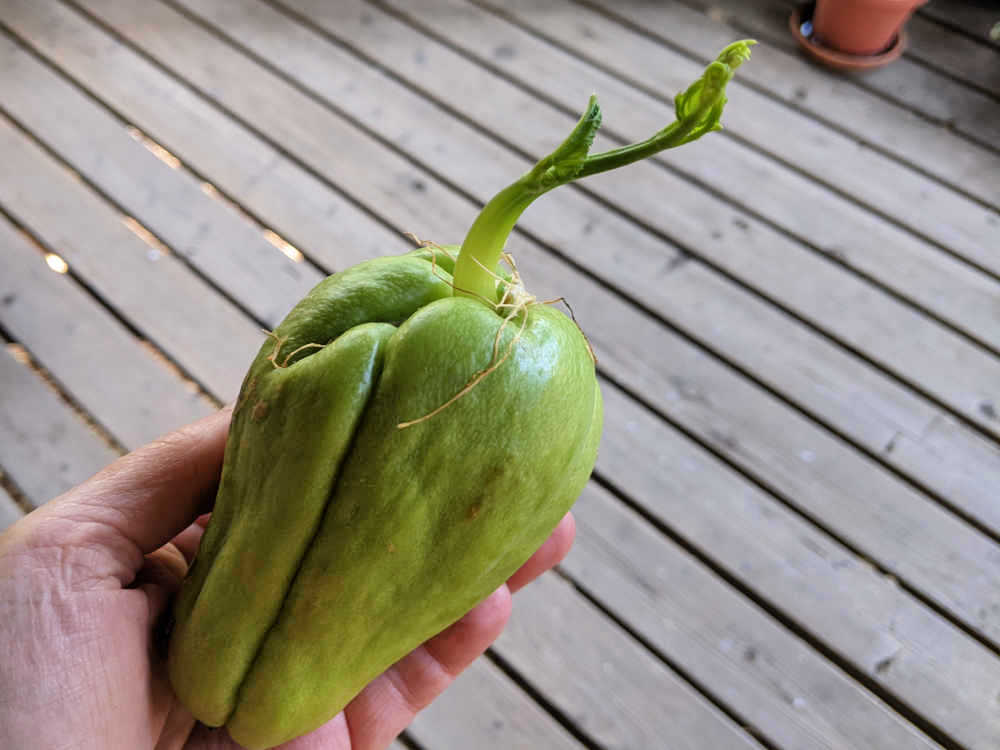
Navigating Wildlife Challenges
Of course, no garden journey is without a few unexpected plot twists.
Last year, our local deer population discovered my thriving chayote vine and completely devoured the entire plant down to the bare ground!
To stay one step ahead of them this season, I let a few new squashes sprout on the counter and planted them in different areas around the yard.
My strategy is to hope that the deer will overlook at least one of the vines.
Are You Ready for a Massive Vine and Huge Harvests?
Pick up a couple of extra chayote on your next shopping trip!
Letting chayote squash sprout is a wonderful, visual project that leads to a beautiful, productive backyard food forest! 🌿
🧺 More from Mama Likes To Cook
Zucchini Recipes 💚
- Turmeric Refrigerator Pickles
- Easy Zucchini Cheese Soup
- Gluten Free Baked Zucchini Fries
- Applesauce Zucchini Bread with Pecans
- Zucchini Mushroom Salad
- Vegan Zucchini Fritters
The Garden Index 🗂️
Southern California Zone 10B Garden 🌱
Blueberries 🫐
Coffee ☕
Figs 🩷
Peppers 🌶️🫑
Squash 🌿
Sugarcane 🤍
Tomato 🍅
Tree Collards 🥬
Garden Books 📚
- Old Farmer’s Almanac Vegetable Gardener’s Handbook
- The Productive Garden
- Ripe Tomato Revolution
- The Thrifty Gardener
What are you inspired to do today?